
Month: August 2026

How does a mobile game support accessibility?How does a mobile game support accessibility?

Mobile games have become a major form of entertainment for people of different ages, backgrounds, abilities, and technical skill levels. Because smartphones are widely used, mobile games have the potential to create inclusive experiences that allow more people to play, connect, and enjoy interactive entertainment. However, accessibility does not happen automatically. Developers need to design games in ways that consider players who may have visual, hearing, motor, cognitive, or other challenges.

A well-designed C2222 game can support accessibility by providing flexible controls, readable interfaces, adjustable audio, subtitles, customizable settings, and simple navigation. These features can make it easier for players with different needs to understand the game and interact with its content. Accessibility also benefits players who may not consider themselves disabled, such as people playing in bright sunlight, using one hand, experiencing temporary injuries, or playing without sound.

The goal of accessible game design is not to create a separate experience for certain players. Instead, it is about building a game that gives as many people as possible the opportunity to participate. When accessibility is considered from the beginning of development, a C2222 game can become more welcoming, comfortable, and enjoyable for a wider audience.

What Does Accessibility Mean in Mobile Gaming?

Accessibility in mobile gaming means designing a game so that people with different abilities can play and understand it. This includes players with permanent disabilities, temporary limitations, age-related changes, and environmental challenges.

For example, a player with limited vision may need larger text or stronger contrast. A player with hearing loss may depend on subtitles and visual indicators. Someone with limited hand movement may need simplified controls or adjustable touch sensitivity.

Accessibility is therefore broader than simply adding one feature. It involves looking at the complete gaming experience, from launching the application to navigating menus, understanding instructions, controlling characters, hearing important sounds, and completing gameplay objectives.

A C2222 game that takes accessibility seriously considers these different needs throughout the player journey. The objective is to remove unnecessary barriers without removing the challenge and enjoyment that make games entertaining.

Accessibility should also be separated from difficulty. A game can remain challenging while still being accessible. For example, a difficult puzzle can be accessible if the interface is readable and the controls are usable. Similarly, a competitive game can maintain its difficulty while offering options that help players understand visual or audio information.

Why Is Accessibility Important for Mobile Games?

Mobile games reach a very large and diverse audience. Unlike traditional gaming platforms, smartphones are used by people with different levels of technical knowledge and physical ability.

This makes accessibility especially important. A game designed only for users with perfect vision, hearing, coordination, and mobility may unintentionally exclude many potential players.

An accessible C2222 game can reach a broader audience because it provides different ways to interact with the experience. Players can adjust settings according to their personal needs instead of being forced to use a single control or display format.

Accessibility can also improve the overall user experience. Features such as larger text, clear menus, subtitles, and customizable controls are useful for many players, not only those with disabilities.

For example, a player may have difficulty reading small text while using a phone outdoors. Another player may have a temporary hand injury and prefer simplified controls. Someone else may play in a quiet environment and need visual notifications instead of audio alerts.

By supporting accessibility, mobile games become more flexible and user-friendly.

How Do Mobile Games Support Visual Accessibility?

Visual accessibility is one of the most important areas of inclusive mobile game design. Players may experience low vision, color blindness, light sensitivity, or complete blindness.

Developers can address these needs through several design choices.

One common approach is to provide adjustable text sizes. Small text can be difficult to read on a smartphone, especially when important instructions or menus contain detailed information. Allowing players to increase text size can make the interface easier to understand.

High-contrast interfaces can also help. Clear differences between backgrounds, text, buttons, and interactive elements make information easier to identify.

A C2222 game can further improve visual accessibility by avoiding color as the only way to communicate information. If a game uses red to indicate danger and green to indicate safety, a player with color vision deficiency may struggle to understand the difference. Icons, patterns, labels, or shapes can provide additional information.

Developers can also offer options to reduce flashing effects, screen shaking, and intense visual animations. These settings may make gameplay more comfortable for players who are sensitive to certain visual effects.

The Importance of Color Accessibility

Color plays a major role in mobile game design. It is often used to communicate status, objectives, warnings, team identity, or character information.

However, relying only on color can create accessibility problems.

A player with color vision deficiency may not distinguish between certain colors as easily as other players. This does not mean that developers should stop using color. Instead, color should be combined with other visual signals.

For example, a C2222 game could use a red warning symbol alongside a warning icon and text. A health bar could include a numerical value rather than relying only on a color change.

This approach helps players understand information even when they perceive colors differently.

Color accessibility also improves clarity for everyone. When multiple visual signals communicate the same message, players can understand game information more quickly.

How Can Mobile Games Support Hearing Accessibility?

Sound is an important part of many mobile games. Audio can communicate warnings, character actions, environmental changes, and important events.

However, players who are deaf or hard of hearing may not be able to receive information through audio alone.

Subtitles are one of the most effective accessibility features. They can display spoken dialogue and important sounds through text.

A C2222 game can go further by providing captions for meaningful environmental sounds. For example, a caption could identify an approaching vehicle, an alarm, or an important notification.

Visual indicators can also replace critical audio information. If a sound warns a player about an enemy approaching from behind, the game could provide a directional visual indicator as well.

Volume controls are another important feature. Players should ideally be able to adjust music, dialogue, sound effects, and other audio elements independently.

This allows players to make important sounds more noticeable without increasing every sound in the game.

Subtitles and Captions in Mobile Games

Subtitles are useful for players with hearing difficulties, but they can also benefit a much wider audience.

Players may play without headphones in public places, at night, or in environments where sound is unavailable. In these situations, subtitles help players understand dialogue and story content.

A C2222 game can make subtitles more accessible by allowing players to adjust text size, background opacity, and contrast.

Speaker identification can also improve clarity when several characters are talking. This is particularly helpful when players cannot easily determine who is speaking based only on voice.

Captions should ideally include important information that affects gameplay. If a sound provides a critical warning, players should have another way to receive that information.

Good caption design therefore considers both storytelling and gameplay.

How Do Mobile Games Support Motor Accessibility?

Mobile gaming often depends heavily on touchscreens. While touch controls are convenient, they can be difficult for people with limited mobility, reduced dexterity, tremors, or other motor challenges.

Developers can improve motor accessibility by allowing players to customize controls.

For example, a C2222 game could allow users to change button sizes, positions, and sensitivity. Larger buttons can be easier to tap accurately, while customizable layouts allow players to place controls where they are most comfortable.

The number of simultaneous touches can also affect accessibility. Some games require players to press multiple areas of the screen at the same time. Alternative control methods can make these actions easier.

Developers can also consider reducing the need for rapid repeated tapping. If a player must repeatedly tap a button to perform an action, an alternative hold or toggle option may be more comfortable.

These features can make gameplay more accessible without changing the core experience.

Customizable Touch Controls

Touchscreen controls are not equally comfortable for everyone. A button that works well for one player may be difficult for another to reach or press.

Customizable controls allow players to personalize their experience.

A C2222 game can provide options for changing button placement, size, transparency, and sensitivity. Players can move frequently used controls closer to their preferred hand position.

One-handed play is another useful consideration. Some players may need to hold their phone with one hand while using another device or managing their surroundings.

A game that supports one-handed controls can offer greater flexibility.

Developers should also avoid making essential controls unnecessarily small. Touch targets should be large enough to reduce accidental presses.

Alternative Input Methods

Accessibility can be improved when games support multiple input methods.

Depending on the device and operating system, players may use external controllers, keyboards, switches, voice commands, or other assistive technologies.

A C2222 game that works with compatible alternative input methods can provide more choices for players who cannot comfortably use standard touchscreen controls.

Controller support can be especially useful for players who find physical buttons easier to operate than touch controls.

Developers should test these input methods rather than assuming compatibility automatically. A game may technically support a controller while still having menus or functions that cannot be accessed properly.

True accessibility requires considering the complete experience.

How Does Cognitive Accessibility Help Players?

Cognitive accessibility focuses on making information easier to understand, remember, and process.

Players may have different learning styles, attention levels, memory abilities, or processing needs. Complex interfaces and unclear instructions can create unnecessary barriers.

A C2222 game can support cognitive accessibility by using clear instructions and consistent design.

Players should understand what they are expected to do without needing to memorize complicated information. Tutorials can introduce mechanics gradually instead of presenting too many instructions at once.

Consistent icons and menus are also helpful. If a button performs one action in one section and a completely different action elsewhere, players may become confused.

Simple language can make instructions easier to understand. Developers should avoid unnecessary technical terms when a straightforward explanation would work better.

Clear and Consistent Game Interfaces

A clear interface helps players understand what is happening and what they should do next.

A C2222 game can improve accessibility by organizing menus logically and using consistent navigation patterns.

Important information should be easy to find. Players should not have to search through multiple confusing screens to locate basic settings.

Visual hierarchy is also important. Critical information should stand out from less important details.

Developers should avoid overcrowding the screen with unnecessary elements. A clean interface can reduce cognitive load and help players focus on gameplay.

Consistency is equally important. If icons, buttons, and menus behave predictably, players can learn the system more easily.

Adjustable Difficulty and Accessibility

Difficulty settings are sometimes connected to accessibility, but they are not exactly the same thing.

A player may need accessibility options while still wanting a high level of challenge.

For example, a player with hearing loss may want the same difficulty as everyone else but require visual sound indicators. Another player may have limited motor control and need slower timing requirements.

A C2222 game can support both accessibility and challenge by separating accessibility settings from difficulty settings.

This approach allows players to customize how they interact with the game without automatically making gameplay easier.

When accessibility options are independent from difficulty, players have greater control over their experience.

How Do Tutorials Support Accessibility?

Tutorials are often the first opportunity for players to learn how a mobile game works.

An accessible tutorial should explain controls clearly and allow players enough time to understand them.

A C2222 game can provide step-by-step instructions instead of presenting every mechanic at once.

Tutorials should also consider different communication methods. Important information should not be delivered only through sound or only through visual instructions.

Players should have enough time to read instructions. If a tutorial automatically moves forward before the player finishes reading, it can create an unnecessary barrier.

The ability to replay tutorials can also help. Players may forget instructions or want to review a mechanic later.

How Can Accessibility Settings Improve Player Experience?

Accessibility settings give players control over their own experience.

A C2222 game can include a dedicated accessibility menu where users can find options for visual, audio, motor, and cognitive needs.

Settings should be clearly labeled and easy to locate. Players should not have to search through unrelated menus to find important accessibility features.

It can also help to group settings logically. For example, visual options can be placed together, while audio and control settings can have their own sections.

The best accessibility menus are easy to understand. Technical descriptions may confuse players who simply want to know what a setting does.

Clear explanations can help users make informed choices.

Accessibility Should Be Considered Early in Development

Accessibility works best when it is considered from the beginning of game development.

If developers wait until the final stage, adding accessibility features may be more difficult and expensive.

A C2222 game can benefit from accessibility planning during the design stage. Developers can consider control layouts, interface structure, text readability, audio alternatives, and device compatibility before major systems are finalized.

Early planning also helps teams identify potential barriers before they become deeply integrated into the game.

Accessibility should therefore be part of the design process rather than a last-minute addition.

The Role of Accessibility Testing

Testing is essential for identifying accessibility problems.

Developers may believe that a feature is accessible because it works correctly for them. However, actual players may experience problems that developers did not anticipate.

A C2222 game should ideally be tested by people with different abilities and needs.

Accessibility testing can reveal issues involving text size, button placement, color contrast, subtitles, audio cues, and control responsiveness.

Real users can provide valuable feedback because they interact with the game differently from the development team.

Testing should take place throughout development. It is better to discover accessibility problems early than after the game has been released.

How Accessibility Benefits All Players

Accessibility features are not useful only for players with disabilities.

Many features improve convenience for everyone.

Subtitles help players who cannot use sound. Larger text helps users reading on small screens. Adjustable controls benefit people playing with one hand. Clear instructions help new players learn faster.

A C2222 game with accessibility options can therefore create a better experience for a broad audience.

This is sometimes called universal design. Instead of creating a separate version for each group, developers create flexible systems that can adapt to different users.

The result is often a game that feels more comfortable and easier to use.

Accessibility and Mobile Device Differences

Mobile devices vary significantly in screen size, hardware performance, operating systems, and input capabilities.

This creates additional accessibility challenges.

A C2222 game should be designed to work across different screen sizes where possible. Text and interface elements that look readable on a large phone may become difficult to use on a smaller screen.

Performance can also affect accessibility. Excessive animations or demanding graphics may cause problems on older devices.

Developers should test games across a reasonable range of devices to ensure that accessibility features work consistently.

Responsive interface design can help maintain usability across different screen dimensions.

How Accessibility Can Improve Player Retention

Accessibility can have a direct impact on whether players continue using a game.

If a player cannot understand menus, control their character, or receive important information, they may stop playing.

A C2222 game that provides flexible options can reduce these frustrations.

When players can customize the experience to suit their needs, they are more likely to feel comfortable and confident.

Accessibility can therefore contribute to stronger player retention. It creates an environment where users are less likely to leave because of avoidable usability problems.

This is valuable for both players and developers.

Accessibility and Social Gaming

Many mobile games include multiplayer features, social interaction, or cooperative gameplay.

Accessibility is especially important in these environments because players should be able to participate in shared experiences.

A C2222 game can support inclusive multiplayer experiences by providing accessible communication systems and clear visual information.

Text chat, voice alternatives, communication icons, and customizable interface options can help players interact with others.

Developers should also consider accessibility when designing social features. If important team information is communicated only through voice chat, some players may be excluded.

Inclusive communication allows more players to participate in the social side of gaming.

Common Accessibility Mistakes in Mobile Games

One common mistake is treating accessibility as a single feature.

Adding subtitles alone does not make a game fully accessible.

A C2222 game should consider multiple areas, including vision, hearing, motor control, cognition, and device interaction.

Another mistake is making accessibility options difficult to find. If players cannot locate the settings, those features provide little practical value.

Developers may also make the mistake of assuming that all players have the same needs. Accessibility is not one-size-fits-all.

Another problem is relying on color alone to communicate information. This can create difficulties for players with color vision deficiency.

Small touch targets, unclear menus, excessive flashing, and unskippable tutorials can also create barriers.

Avoiding these mistakes requires testing and user feedback.

How Developers Can Create More Accessible Mobile Games

Developers can begin by identifying the different ways players interact with their game.

They should consider how information is presented, how controls work, and what happens when a player cannot hear or see a particular element.

A C2222 game can become more accessible by offering customizable controls, readable interfaces, subtitles, visual indicators, adjustable audio, and flexible gameplay settings.

Developers should also use accessibility guidelines and conduct testing with people who have different needs.

Accessibility should be included in design discussions, development plans, quality assurance processes, and updates.

It should not be treated as an optional feature that is added only if there is extra time.

The Future of Accessibility in Mobile Gaming

The future of accessible mobile gaming is likely to involve greater customization and smarter technology.

Mobile devices are becoming more capable of supporting voice interaction, advanced controllers, adaptive interfaces, and assistive technologies.

Artificial intelligence may also help personalize experiences. For example, future games could potentially adjust interface elements based on player preferences or provide more flexible assistance.

A C2222 game in the future may offer highly personalized accessibility settings that allow players to control exactly how information is displayed, heard, and interacted with.

However, technology alone will not solve every accessibility challenge. Human-centered design and testing will remain important.

Developers need to understand the real experiences of players and design solutions based on those experiences.

A Practical Accessibility Checklist for Mobile Games

When evaluating a mobile game, developers can consider several important questions.

Can players increase text size if necessary?

Can important information be understood without sound?

Are subtitles and captions available?

Can players distinguish important information without relying only on color?

Can controls be customized?

Are touch targets large enough?

Can players adjust sensitivity?

Can important actions be performed without rapid repeated tapping?

Are menus clear and consistent?

Can tutorials be paused or replayed?

Can visual effects be reduced?

Are accessibility settings easy to find?

Does the game work with compatible external input devices?

Has the game been tested by people with different accessibility needs?

A C2222 game that performs well across these areas is more likely to provide an inclusive and enjoyable experience.

Why Accessibility Is a Continuous Process

Accessibility does not end when a game is released.

Players may discover new problems after launch, and operating system updates can introduce compatibility issues.

A C2222 game should therefore continue improving accessibility through updates and player feedback.

Developers can monitor support requests, reviews, accessibility discussions, and user testing results to identify areas for improvement.

New accessibility features can also be introduced over time.

This continuous approach demonstrates that accessibility is not simply a marketing feature. It is an ongoing commitment to creating a better experience.

Conclusion

Mobile gaming has the potential to be one of the most inclusive forms of digital entertainment because smartphones are widely available and can support many different forms of interaction. However, accessibility depends heavily on how games are designed. Developers must consider the needs of players who experience visual, hearing, motor, cognitive, and other barriers.

A well-designed C2222 game can support accessibility through flexible controls, adjustable text, strong visual contrast, subtitles, captions, alternative input methods, clear instructions, customizable interfaces, and options for reducing distracting visual effects. These features help players interact with games in ways that match their individual abilities and preferences.

The most effective approach is to think about accessibility from the earliest stages of development. Instead of adding features at the end of the process, developers should include accessibility in game design, programming, testing, quality assurance, and future updates. This makes it easier to identify and remove barriers before they affect the player experience.

Testing with real users is equally important. Developers cannot always predict every accessibility challenge through internal testing alone. Players with different abilities can provide insights into problems that may otherwise remain unnoticed. Their feedback can help create more practical and meaningful accessibility features.

It is also important to remember that accessibility benefits more than players with permanent disabilities. Subtitles can help someone playing without sound. Larger text can improve readability on small screens. Customizable controls can help someone playing with one hand. Reduced visual effects can make the experience more comfortable in different environments.

In this way, accessibility and good user experience often work together. When a C2222 game gives players more control over how they see, hear, and interact with the game, it can become easier and more enjoyable for a much larger audience.

Ultimately, mobile game accessibility is about removing unnecessary barriers while preserving the creativity, challenge, and entertainment that make games enjoyable. The best accessible games do not make players feel separated from the main experience. Instead, they provide flexible options that allow different people to participate in the same world.

As mobile technology continues to evolve, accessibility will become an increasingly important part of game development. Developers who prioritize inclusive design, listen to players, and continuously improve their products will be better positioned to create games that reach wider audiences.

A C2222 game that embraces accessibility can demonstrate how thoughtful design can bring more people into gaming. By combining inclusive controls, understandable interfaces, alternative communication methods, and user-centered testing, mobile games can become more welcoming to players with different abilities.

The future of mobile gaming should not be about designing one experience for one type of player. It should be about creating flexible experiences that recognize the diversity of the people who play them. Accessibility is an important part of achieving that goal, and it can help ensure that more players have the opportunity to enjoy, explore, and connect through mobile games.
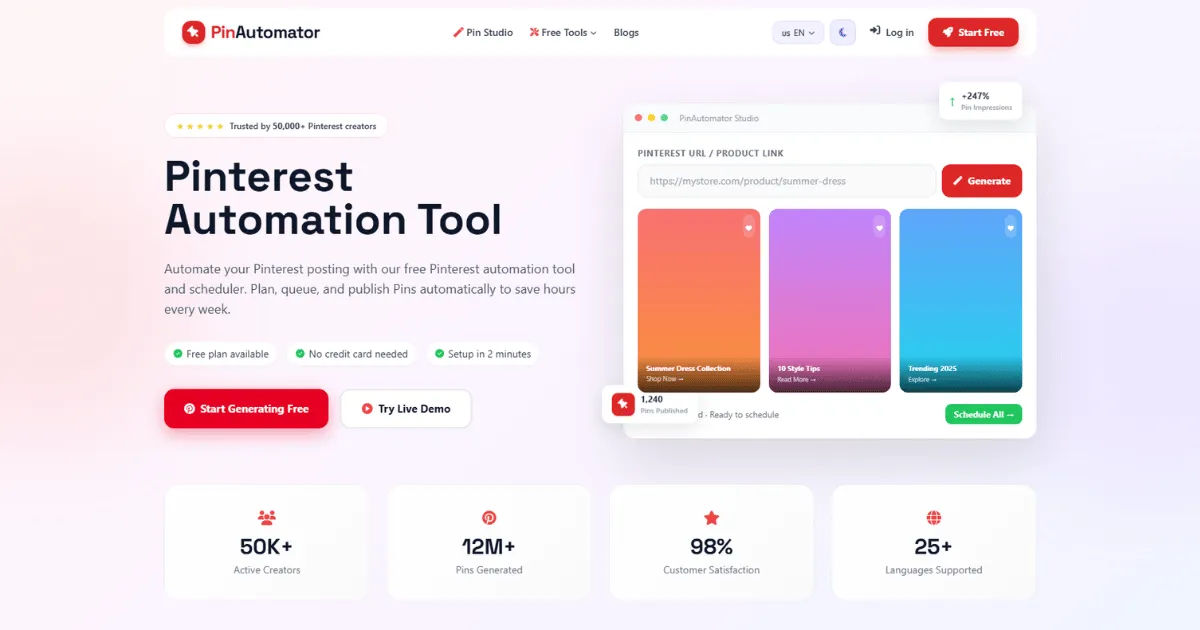

How Does Pinterest Automation Track Performance?How Does Pinterest Automation Track Performance?

Pinterest Automation has become an important part of modern content marketing because it helps businesses and creators manage Pinterest activity more efficiently. However, publishing content is only one part of a successful Pinterest strategy.

To understand whether a strategy is actually working, marketers need to track performance, study audience behavior, and identify which content produces the best results. This is where Pinterest Automation can play an important role by helping users organize performance data and monitor key metrics over time.

A strong Pinterest Automation should never depend on guesswork. Marketers need to know whether their pins are reaching the right audience, generating engagement, driving website traffic, and contributing to business goals. Performance tracking provides the information needed to make smarter decisions.

Automation tools can make this process easier by collecting, organizing, and presenting performance information. Instead of manually checking every pin and recording results, users can rely on dashboards, analytics reports, scheduling data, and performance summaries to understand what is happening.

This comprehensive guide explains how Pinterest Automation tracks performance, which metrics matter most, how analytics can improve content planning, and how marketers can use performance data to build a more effective Pinterest strategy.

What Is Pinterest Automation?

Pinterest Automation refers to the use of tools and systems that help manage repetitive Pinterest marketing activities more efficiently. Depending on the platform or software, automation may support tasks such as content scheduling, publishing, campaign organization, performance monitoring, and analytics reporting.

The purpose of automation is not simply to publish more content. Its greater value comes from helping marketers manage their Pinterest presence consistently while spending less time on repetitive manual work.

For example, a marketer may prepare several weeks of content in advance and schedule pins to publish at selected times. Once those pins are published, the marketer can review performance information to determine which content attracted attention and which content failed to produce meaningful results.

This creates a continuous marketing cycle.

Content is created, scheduled, published, measured, analyzed, and improved.

Performance tracking is therefore an important part of an automated Pinterest workflow. Without analytics, automation may only increase the amount of content being published without improving its quality or effectiveness.

Why Performance Tracking Matters on Pinterest

Pinterest is a visual discovery platform, but successful marketing requires more than creating attractive images. A beautiful pin may receive impressions without generating website visits. Another pin may receive fewer impressions but produce significantly more clicks and conversions.

Without tracking performance, these differences can easily go unnoticed.

Performance data helps marketers understand how audiences respond to different types of content. It can reveal which topics attract attention, which images generate engagement, and which links encourage people to visit a website.

For businesses, tracking is also important because Pinterest activity should support broader marketing goals. Depending on the business, the goal may be brand awareness, website traffic, product discovery, email sign-ups, or sales.

A good tracking system connects Pinterest activity with these objectives.

Pinterest Automation can simplify this process by giving marketers a structured way to review performance. Instead of looking at each pin separately, users can often examine patterns across multiple posts and time periods.

This makes it easier to identify trends and make informed decisions.

How Pinterest Automation Tracks Performance

Pinterest Automation tools generally track performance by collecting data associated with published content. The exact features depend on the tool being used, but most systems focus on important indicators such as impressions, engagement, clicks, saves, and traffic.

The tracking process usually begins when content is scheduled or published.

Once a pin goes live, its performance can be monitored through available analytics data. Depending on the platform, users may be able to see how many people viewed the content, interacted with it, or clicked through to the destination website.

The system may then organize this information into reports or dashboards.

These reports help marketers compare different pins and identify trends. For example, a marketer may discover that educational content consistently receives more saves than promotional content.

Another business may find that product-focused pins generate fewer impressions but more website visits.

This type of information helps marketers understand the difference between visibility and meaningful performance.

Automation does not necessarily replace the need for human analysis. Instead, it makes useful data easier to collect and review so marketers can focus on interpreting the results.

Tracking Impressions and Reach

Impressions are one of the most basic performance metrics available to Pinterest marketers. They indicate how often content has been displayed to users.

A high number of impressions can suggest that Pinterest is distributing content effectively or that the content is appearing for relevant searches and recommendations.

However, impressions should not be treated as the only measure of success.

A pin may generate thousands of impressions but receive very few clicks or saves. In that situation, the content is getting visibility but may not be compelling enough to encourage further action.

Pinterest Automation can help marketers monitor impressions across multiple posts. By comparing results, marketers can identify which topics, formats, or publishing periods generate greater visibility.

For example, a food blogger may notice that recipe pins consistently receive more impressions than general lifestyle content.

This insight can influence future content planning.

Impression data is particularly useful when analyzed over time. A single pin may perform differently during different seasons, while an entire account may experience growth as its content library expands.

Tracking these changes allows marketers to understand whether their overall visibility is improving.

Monitoring Engagement

Engagement is another important area of Pinterest performance tracking.

Engagement can include actions such as saves, clicks, and other interactions associated with content. These actions often provide more insight than impressions because they show that users did something with the content rather than simply seeing it.

A high engagement rate may indicate that the content is relevant to the audience.

For example, a home decor brand might publish two types of pins. One receives many impressions but few saves. Another receives fewer impressions but a much higher number of saves.

The second pin may actually have greater long-term value because users are actively choosing to keep it for future reference.

Pinterest Automation can help identify these differences by making performance data easier to compare.

Marketers can review which content attracts meaningful engagement and use those insights when creating future campaigns.

Measuring Pin Clicks

Pin clicks are particularly useful for understanding whether users are interested enough to interact with content.

When someone clicks on a pin, it indicates a stronger level of interest than simply viewing it.

Tracking clicks can help marketers determine which headlines, images, topics, and designs encourage users to take the next step.

For example, an online education company may create several pins promoting a blog post about digital marketing. If one design generates significantly more clicks than the others, the company can study what made that version more effective.

The successful elements might include a clearer headline, a more relevant image, or a stronger visual layout.

Pinterest Automation tools can make this comparison easier by organizing performance information across multiple pins.

This allows marketers to test different approaches instead of relying on assumptions.

Tracking Outbound Website Traffic

For many businesses, the main purpose of Pinterest marketing is to bring visitors to a website.

This makes outbound traffic one of the most valuable performance indicators.

A pin may receive thousands of impressions, but if it does not bring people to the website, it may not contribute directly to traffic-based marketing goals.

Performance tracking helps marketers identify which pins generate website visits.

For example, a fashion retailer may discover that seasonal outfit guides drive more traffic than individual product images. The retailer can then produce more content based on outfit inspiration.

A content publisher might find that tutorial-based pins generate more visitors than promotional announcements.

These insights can improve the content strategy.

Pinterest Automation can support this process by allowing marketers to compare published content with traffic results. When combined with website analytics, this data can provide a more complete picture of the customer journey.

Understanding Saves and Long-Term Content Value

Saves are especially important because Pinterest users often collect content for future reference.

When someone saves a pin, the content may continue reaching new audiences through distribution and discovery.

This means a pin that performs well over time can have a longer lifespan than content on many other social platforms.

Tracking saves helps marketers identify content with lasting appeal.

For example, a travel website may publish a guide titled "10 Things to Do in Paris." If users repeatedly save the pin, it suggests that the content has strong planning value.

The marketer can then create similar destination guides.

Pinterest Automation can help monitor which content receives the most saves and identify recurring themes.

Over time, marketers may discover that practical guides, checklists, tutorials, and inspirational content consistently perform well.

This information can influence future campaigns.

Tracking Engagement Rate

Raw numbers are useful, but engagement rates often provide deeper insight.

An engagement rate compares interactions with the number of people who saw the content. This can help marketers understand how effectively content turns visibility into action.

For example, two pins may receive 10,000 impressions each.

The first may receive 100 engagements, while the second receives 500.

Both have the same level of visibility, but the second clearly generates stronger audience interest.

Pinterest Automation can help marketers monitor these differences across multiple posts.

A higher engagement rate may indicate that the content is more relevant, visually appealing, or useful.

However, marketers should always consider the specific goal of the campaign. A brand awareness campaign may prioritize reach, while a traffic campaign may prioritize clicks.

The best metric depends on the objective.

Measuring Performance by Content Type

One of the strongest advantages of performance tracking is the ability to compare different types of content.

Not every pin serves the same purpose.

Some pins may promote products. Others may share blog posts, tutorials, recipes, videos, or inspirational ideas.

By tracking results, marketers can identify which categories perform best.

For example, a fitness brand might compare workout tips, product promotions, meal plans, and motivational quotes.

After reviewing the data, the brand may discover that workout tips generate the most saves while product pins generate the most website clicks.

This does not mean one category should be eliminated.

Instead, each content type can be assigned a specific role in the marketing strategy.

Pinterest Automation makes this process more manageable by helping marketers organize and compare content at scale.

Tracking Performance by Campaign

Campaign-level tracking is useful for businesses running multiple marketing initiatives.

Instead of measuring every pin individually, marketers can group related content into campaigns.

For example, an online store may run separate campaigns for:

  • Summer products

  • Holiday shopping

  • New product launches

  • Blog content

  • Seasonal promotions

Each campaign can then be evaluated based on its performance.

This makes it easier to determine which marketing initiatives are producing the strongest results.

Pinterest Automation can support campaign management by helping marketers organize content and review performance within specific periods.

Campaign tracking is especially useful for businesses that need to report results to managers, clients, or stakeholders.

Monitoring Performance Over Time

Pinterest performance should not always be judged immediately after publication.

Some content may take time to gain visibility.

A pin published today might perform modestly during its first week and then gain traction later. This can happen because Pinterest content may continue appearing in searches and recommendations.

For this reason, marketers should monitor performance over longer periods.

Pinterest Automation can help users compare results across weeks, months, and seasons.

Long-term tracking can reveal valuable patterns.

For example, a gardening website may notice that certain content performs strongly every spring. A retailer may discover that holiday-related pins begin gaining attention months before the holiday season.

These trends can improve future planning.

Using Analytics to Identify Top-Performing Pins

Not every piece of content deserves the same level of attention.

Some pins will consistently outperform others.

Performance tracking allows marketers to identify these top-performing pieces.

Once successful content has been identified, marketers can study its characteristics.

They might examine:

  • The topic

  • The headline

  • The image style

  • The format

  • The destination page

  • The publishing period

  • The audience

  • The keywords used

The goal is not necessarily to copy the exact pin repeatedly.

Instead, marketers can identify patterns that can inspire new content.

Pinterest Automation can help surface these high-performing posts more efficiently, particularly when an account contains hundreds or thousands of pins.

Understanding Audience Behavior

Performance data can also provide insight into audience preferences.

For example, if users consistently save educational content, that may indicate a strong interest in learning.

If product comparison pins generate more clicks, the audience may be actively researching purchasing decisions.

If inspirational images receive high engagement, the audience may respond strongly to visual ideas and aspirational content.

These behavioral patterns can influence future content decisions.

Pinterest Automation helps marketers collect performance information at scale, but the marketer still needs to interpret what the data means.

Numbers alone do not explain everything.

The real value comes from connecting data with audience needs.

Tracking the Best Publishing Times

Timing can influence content performance.

Although there is no universal publishing time that works for every Pinterest account, analytics can help marketers identify periods when their audience is most active or responsive.

Automation tools can help schedule content consistently across selected times.

After publishing, marketers can compare results to determine whether certain time periods produce stronger performance.

For example, a business might discover that weekend content receives more engagement than weekday content.

Another brand may find that evening publishing performs better for its audience.

The important point is to use actual account data rather than relying entirely on general recommendations.

Measuring Website Conversions

Traffic is valuable, but conversions are often more important for businesses.

A conversion might include:

  • A product purchase

  • An email subscription

  • A lead form submission

  • A consultation request

  • A software sign-up

  • A download

Pinterest performance tracking becomes more powerful when marketers connect Pinterest activity with website conversion data.

A pin may generate 5,000 visits but only a few conversions.

Another may generate 500 visits but produce a much higher conversion rate.

The second pin may be more valuable to the business.

Pinterest Automation can help marketers understand the performance of their publishing activity, while website analytics and tracking systems can help measure what visitors do after arriving on the site.

Together, these systems provide a more complete view of marketing effectiveness.

Using UTM Parameters for Better Tracking

UTM parameters can help marketers identify where website traffic originates.

By adding tracking information to destination URLs, businesses can analyze traffic sources and campaign performance in greater detail.

For example, marketers may distinguish between traffic generated by different campaigns, content types, or promotional efforts.

This can be particularly useful when running multiple Pinterest campaigns at the same time.

Pinterest Automation tools that support structured campaign workflows can make tracking easier when used alongside properly configured analytics systems.

However, marketers should ensure that tracking parameters are applied consistently.

Inconsistent naming conventions can make reports confusing and reduce the accuracy of comparisons.

Comparing Organic and Promotional Performance

Businesses may use both organic Pinterest content and paid promotional campaigns.

These should be evaluated separately because they serve different purposes and operate under different conditions.

Organic content may build long-term visibility and generate ongoing discovery.

Paid campaigns may be designed to produce faster reach or targeted results.

Performance tracking allows marketers to compare these approaches.

For example, an organic pin may generate consistent traffic over several months, while a paid campaign may produce a large amount of traffic during a short period.

Both can be valuable.

Pinterest Automation can help organize the content side of these efforts, while broader analytics can help marketers evaluate the business results.

Tracking Performance Across Multiple Accounts

Some agencies and businesses manage multiple Pinterest accounts.

Each account may target a different audience, location, brand, or product category.

Manually monitoring every account can become difficult.

Automation can make performance management more efficient by centralizing workflows and reducing repetitive tasks.

Depending on the tool, marketers may be able to organize account-level information and compare results.

This can help agencies identify which clients are growing faster and which accounts need strategic adjustments.

However, marketers should avoid comparing accounts without considering their different goals.

A small niche account may have lower total traffic but a much higher conversion rate.

Performance should always be evaluated within context.

Identifying Content Trends

Performance tracking can reveal emerging trends.

If a certain topic begins receiving more impressions, saves, or clicks, it may indicate increasing audience interest.

Marketers can monitor these changes and respond with timely content.

For example, a home improvement company may notice growing interest in small-space organization.

Instead of waiting for the trend to become obvious, the company can create relevant content while demand is increasing.

Pinterest Automation can help marketers maintain consistent publishing while they focus on identifying these opportunities.

The combination of automation and analysis can create a more responsive marketing strategy.

Using Data to Improve Content Quality

Analytics should not only determine how much content a marketer publishes.

It should also improve the quality of that content.

If a pin consistently receives low engagement, marketers should investigate why.

Possible issues may include:

  • Weak visual design

  • Unclear messaging

  • Irrelevant topics

  • Poor headlines

  • Weak calls to action

  • Slow landing pages

  • Mismatched audience targeting

Performance data can help identify these problems.

The goal should be continuous improvement.

Instead of publishing the same type of content repeatedly, marketers can use results to refine their approach.

Avoiding Vanity Metrics

One of the biggest mistakes in performance tracking is focusing only on numbers that look impressive.

High impressions can make a campaign appear successful, but they do not always translate into meaningful business results.

Marketers should distinguish between vanity metrics and actionable metrics.

Vanity metrics may include large impression numbers that do not lead to engagement, traffic, or conversions.

Actionable metrics help answer practical questions.

Are people clicking?

Are they saving the content?

Are they visiting the website?

Are they becoming customers?

These questions provide more useful insights.

Pinterest Automation can make data collection easier, but marketers still need to choose the right metrics.

Creating Performance Reports

Regular reporting helps businesses understand progress.

A performance report might include:

  • Total impressions

  • Engagement

  • Saves

  • Pin clicks

  • Outbound clicks

  • Website traffic

  • Conversion data

  • Top-performing content

  • Underperforming content

  • Audience trends

  • Campaign comparisons

Reports can be prepared weekly, monthly, or quarterly depending on the business.

Monthly reporting is often useful for identifying short-term trends, while quarterly reporting can provide a broader strategic view.

Pinterest Automation can reduce the amount of manual work involved in gathering information.

This allows marketers to spend more time analyzing the results and planning improvements.

How Automation Helps Save Time

Manual performance tracking can be time-consuming.

A marketer managing dozens or hundreds of pins may struggle to monitor every piece of content individually.

Automation helps reduce this burden.

Instead of repeatedly checking data, marketers can use organized dashboards and automated reporting features where available.

This makes it easier to focus on higher-value activities such as content development, audience research, and strategy.

Time savings become especially significant for agencies and large businesses managing multiple accounts.

The Role of Human Analysis

Although automation is powerful, it should not completely replace human judgment.

Analytics can show that a pin received more clicks, but it may not explain exactly why.

A human marketer can investigate the context.

Perhaps the topic was trending.

Maybe the image was more attractive.

The headline could have been clearer.

The destination page might have offered better information.

Human analysis turns raw data into useful strategy.

The best approach combines automation with thoughtful decision-making.

How to Build a Performance Tracking Routine

A consistent routine can make Pinterest analytics much easier to manage.

Start by defining clear goals.

Decide whether the main objective is awareness, engagement, traffic, leads, or sales.

Next, identify the metrics that directly support those goals.

Review performance regularly instead of checking randomly.

Look for patterns rather than focusing on individual results.

Compare similar content with similar content.

Finally, turn insights into action.

If educational content performs well, create more educational content.

If certain designs generate more clicks, test similar designs.

If a campaign underperforms, identify the reason and adjust the strategy.

This creates a continuous improvement cycle.

Common Mistakes in Pinterest Performance Tracking

One common mistake is measuring everything without identifying priorities.

Too much data can become overwhelming.

Another mistake is changing strategies too quickly.

Some pins need time to gain traction, so marketers should avoid judging performance too soon.

Ignoring business goals is another problem.

A pin can perform well according to engagement metrics but still fail to support the company's broader objectives.

Marketers should also avoid relying on a single metric.

A complete performance picture requires multiple data points.

Finally, businesses should not assume that automation guarantees success.

Automation improves efficiency, but strategy, creativity, relevance, and analysis remain essential.

How to Use Performance Data for Future Planning

The most valuable purpose of performance tracking is future planning.

Analytics should influence what marketers create next.

Suppose a business discovers that "how-to" content generates twice as many saves as promotional content.

That information can influence the future content calendar.

The business might publish more tutorials while using promotional content strategically around product launches.

Similarly, if certain topics generate high traffic but low conversions, marketers can improve the landing pages or adjust the content-to-product connection.

Performance data creates a feedback loop.

Each campaign provides information that can improve the next campaign.

This is one of the strongest reasons marketers combine automation with analytics.

Choosing the Right Metrics for Different Goals

Different marketing goals require different performance indicators.

For brand awareness, impressions and reach may be important.

For engagement, saves and interactions may provide better insight.

For website traffic, outbound clicks are especially relevant.

For sales, marketers should focus on conversions and revenue.

For lead generation, form submissions and qualified leads may be more useful.

A successful Pinterest strategy does not simply chase the largest numbers.

It measures the numbers that matter.

Pinterest Automation can help marketers monitor these metrics more consistently, but the strategy should always begin with clearly defined objectives.

How Small Businesses Can Benefit from Performance Tracking

Small businesses often have limited time and resources.

For them, automation can be especially useful.

A small business owner may not have enough time to manually schedule content and analyze every pin.

Automation can reduce repetitive tasks while making performance data easier to review.

For example, a local bakery can monitor which recipe ideas attract the most website traffic.

A handmade jewelry business can identify which product categories generate the most clicks.

A consultant can discover which educational topics generate the most inquiries.

These insights can help small businesses compete more effectively without requiring a large marketing team.

How Agencies Can Use Performance Analytics

Marketing agencies often manage multiple clients with different objectives.

Performance tracking allows agencies to create more detailed reports and provide evidence of results.

An agency can identify which strategies work for one client and which require adjustment for another.

Automation can help streamline scheduling, reporting, and account management.

However, agencies should always customize their approach.

A strategy that works for a fashion brand may not work for a software company.

The data should guide decisions, but industry context remains important.

The Future of Pinterest Performance Tracking

Performance tracking is likely to become increasingly sophisticated as marketing technology develops.

Automation platforms may continue improving reporting, predictive insights, content recommendations, and campaign analysis.

Artificial intelligence may also help marketers identify patterns in large datasets.

For example, future systems may be able to identify which visual styles are becoming more effective or predict which content topics are likely to generate stronger engagement.

However, technology will not eliminate the need for strategy.

Successful marketers will still need to understand their audiences, create useful content, and connect Pinterest activity with broader business goals.

The future will likely involve a stronger combination of automation, analytics, creativity, and human decision-making.

Best Practices for Tracking Pinterest Performance

A few best practices can make performance tracking more effective.

First, establish measurable goals before publishing content.

Second, focus on metrics that match those goals.

Third, review data consistently rather than occasionally.

Fourth, compare performance over meaningful time periods.

Fifth, analyze both successful and unsuccessful content.

Sixth, use tracking parameters where appropriate.

Seventh, connect Pinterest data with website analytics.

Eighth, avoid judging performance based on impressions alone.

Ninth, experiment with different content formats and topics.

Finally, use insights to improve future campaigns.

The purpose of analytics is not simply to create reports.

The purpose is to make better decisions.

Conclusion

Pinterest Automation can make performance tracking more efficient by helping marketers manage content workflows, organize publishing activity, and review important performance information. However, the real value of automation appears when the data it helps collect is turned into meaningful marketing decisions.

Tracking impressions can show whether content is gaining visibility. Monitoring engagement can reveal whether users find the content interesting or useful. Measuring clicks can show which pins encourage people to take action, while website traffic and conversion data can demonstrate whether Pinterest activity is contributing to broader business goals.

The most effective approach is to avoid relying on a single metric. A pin with high impressions may not necessarily be the most valuable piece of content. Another pin with fewer views may generate more website visits, leads, or sales. Understanding these differences allows marketers to focus their attention on results that genuinely matter.

Performance tracking also helps marketers understand their audience. Over time, patterns can emerge around topics, visual styles, content formats, publishing schedules, and campaign themes. These insights can guide future content creation and help businesses produce material that better matches audience interests.

Another major advantage is the ability to monitor long-term performance. Pinterest content can continue generating visibility and engagement after publication, making it important to evaluate results over time rather than judging content too quickly. Consistent tracking can reveal seasonal patterns and evergreen content opportunities that may otherwise be missed.

For businesses managing multiple accounts or large content libraries, automation can provide even greater efficiency. It reduces repetitive work and makes it easier to organize information. Agencies can use performance data to prepare client reports, while small businesses can use it to understand which content deserves more investment.

Still, automation should not be viewed as a replacement for human strategy. Tools can collect information, organize reports, and simplify workflows, but marketers must interpret the results. They need to ask why certain content performed well, why other content failed, and what changes should be made next.

The strongest strategy is therefore a combination of automation and human decision-making. Automation provides efficiency and consistency, while analytics provides evidence. Human creativity and strategic thinking turn that evidence into action.

Ultimately, the goal of Pinterest performance tracking is continuous improvement. Marketers should publish content, measure the results, learn from the data, and apply those lessons to future campaigns. When this process is repeated consistently, businesses can build a more informed and effective Pinterest strategy.

Pinterest Automation is most valuable when it becomes part of this complete cycle. It can help marketers spend less time on repetitive tasks and more time understanding what works. By focusing on meaningful metrics, analyzing audience behavior, measuring business outcomes, and continuously improving content, marketers can use Pinterest more strategically and make their efforts more measurable and productive.

The key is to remember that successful Pinterest marketing is not about publishing the largest possible amount of content. It is about publishing relevant content, understanding how audiences respond, and using reliable performance information to make smarter decisions. When automation and analytics work together, marketers have a stronger foundation for building sustainable visibility, increasing website traffic, improving engagement, and supporting long-term business growth.

Unbeatable Prices on Premium Tobacco – Australia WideUnbeatable Prices on Premium Tobacco – Australia Wide

The Australian tobacco market presents a uniquely challenging environment for adult smokers, with government excise duties and stringent regulatory measures driving retail prices to some of the highest levels in the world. This fiscal reality has compelled many consumers to carefully reassess their purchasing habits and seek out products that offer genuine value without sacrificing the quality and consistency they have come to expect from their preferred brands. The search for affordable options has led to the emergence of a distinct market segment where cost-effectiveness and reliability coexist, providing smokers with viable alternatives that respect both their budgets and their taste preferences. Among the numerous brands available to Australian consumers, two names have consistently stood out for their ability to deliver satisfying smoking experiences at accessible price points, earning loyal followings across the country. Understanding the specific attributes of these products can assist smokers in making informed decisions that align with their individual requirements and financial considerations.

The practicalities of accessing these products have been greatly enhanced by well-coordinated distribution networks that serve major population centres with efficiency and care, ensuring that smokers can obtain their preferred brands without unnecessary delay. Residents of South Australia, including Adelaide, and Western Australia, particularly Perth, benefit from logistics systems that ensure fresh stock arrives promptly and in optimal condition, eliminating the uncertainty that can accompany tobacco procurement in more remote areas. The importance of authenticity cannot be overstated in this context, as the market remains vulnerable to counterfeit goods that undermine consumer trust and detract from the overall smoking experience. By focusing on reputable brands with transparent sourcing practices, smokers can confidently select products that meet their expectations and provide consistent satisfaction with every purchase. The following examination of two prominent brands explores their distinctive characteristics and explains why they have become favoured choices for those who prioritise both quality and affordability in their regular tobacco purchases.

Understanding Affordability in Australian Tobacco

The concept of value in the Australian tobacco sector extends far beyond the simple comparison of price tags, encompassing the overall satisfaction derived from each cigarette and the reliability of the purchasing process from start to finish. For many consumers, the term cheap smokes Australia has evolved to represent a category of products that successfully combine economic accessibility with dependable quality standards, reflecting a market where competition and direct sourcing enable suppliers to offer genuine products at competitive prices that challenge traditional retail models. This evolution in consumer perception acknowledges that lower costs need not correspond to inferior ingredients or poor manufacturing practices, but rather indicate a mature market where efficiency and scale benefit the end user in tangible ways that enhance the overall experience. Smokers who embrace this balanced perspective often find themselves better able to manage their monthly expenditures while continuing to enjoy the ritual and satisfaction associated with their chosen brand, making cheap smokes Australia a practical and appealing choice for those who value both convenience and cost-effectiveness in their daily lives.

The infrastructure that supports this accessibility is noteworthy for its customer-focused design and meticulous attention to detail, with daily dispatches coordinated to ensure that shipments to South Australia and Western Australia are processed with minimal delay and maximum care to maintain product freshness. This reliability allows smokers in Adelaide and Perth to maintain uninterrupted supplies, a factor that significantly enhances customer satisfaction and fosters long-term loyalty that benefits both consumers and suppliers alike. The packaging is thoughtfully designed to preserve product integrity, safeguarding freshness from the point of dispatch to the moment of delivery through materials that protect against moisture, damage, and environmental factors that could compromise quality. Furthermore, the unwavering commitment to authenticity ensures that every carton of cheap smokes Australia is sourced from trusted suppliers who adhere to rigorous quality standards, eliminating the risk of receiving substandard or counterfeit products that could detract from the smoking experience. This combination of competitive pricing, robust distribution, and rigorous quality control makes these affordable options increasingly attractive to a growing segment of the smoking population who refuse to accept compromise as the price of economy.

Manchester Blue – Consistency and Smoothness

Among the diverse range of products available to Australian smokers, manchester blue has cultivated a distinguished reputation by offering a remarkably consistent and smooth smoking experience that appeals to a broad demographic of discerning consumers seeking reliability above all else. The blend is characterised by its medium strength, which strikes an ideal equilibrium between providing sufficient nicotine satisfaction and maintaining a gentle, non-harsh draw suitable for extended smoking sessions that might otherwise become uncomfortable or unsatisfying over time. This balance is achieved through careful selection of tobacco leaves and precise curing processes that enhance natural flavours without introducing artificial additives or excessive chemical treatments, resulting in a product that feels both authentic and refined in every aspect of its construction and delivery. Smokers who regularly choose manchester blue often comment on its reliability, noting that each cigarette delivers a predictable burn rate and a clean, pleasant aftertaste that does not linger unpleasantly, a quality that is particularly appreciated by those who value consistency in their daily routine and dislike surprises that disrupt their enjoyment. Such dependability is a significant factor in building brand loyalty, especially among consumers who have experienced inconsistency with other products and seek a stable reference point that they can trust without reservation.

The affordability of manchester blue further strengthens its position as a leading option for those seeking cheap smokes Australia that genuinely satisfy their expectations, as the brand's pricing structure is designed to remain accessible even as external economic pressures fluctuate unpredictably and challenge household budgets. This stability provides budget-conscious smokers with a reliable reference point, allowing them to plan their purchases with confidence and avoid the anxiety of sudden price increases that can disrupt financial planning and monthly expenditure management. The availability of manchester blue through efficient delivery networks ensures that customers in South Australia and Western Australia can replenish their supplies without unnecessary inconvenience, maintaining the continuity of their smoking experience regardless of their geographic location or proximity to major urban centres. The packaging is practical yet protective, preserving optimal moisture content and preventing damage during transit, which is essential for preserving the product's distinctive character and ensuring that each cigarette performs exactly as intended. For smokers who appreciate a straightforward, unpretentious product that performs consistently well across all conditions, manchester blue represents a compelling choice that aligns with both their taste preferences and their financial goals.

Double Happiness – Heritage and Distinction

In contrast to the contemporary sensibility of many Western brands, double happiness offers a distinctive smoking experience rooted in a long and storied tradition that spans more than a century of meticulous craftsmanship and cultural significance that resonates with smokers worldwide. This iconic brand, which originated in China and has since achieved international recognition for its unique character, provides smokers with an alternative that respects heritage while delivering modern reliability and consistent quality that meets the expectations of today's discerning consumers. The Soft Gold Original variant, which is particularly sought after in Australia, features a mellow, slightly sweet flavour profile with a warm, golden undertone that distinguishes it from sharper or more overtly chemical alternatives, providing a smoking experience that feels both luxurious and authentic in every puff. Smokers who appreciate nuance and complexity in their tobacco often find that double happiness provides a refreshing departure from the uniformity of mass-produced brands, offering instead a layered taste experience that rewards attentive consumption and reflects the craftsmanship inherent in its production methods. The brand's cultural significance adds an additional layer of appeal, connecting consumers to a broader heritage of tobacco craftsmanship that has been refined over generations, making each cigarette a link to a rich tradition that transcends borders.

The availability of double happiness within Australia has been facilitated by dedicated import channels that prioritise authenticity and freshness, ensuring that the product delivered to consumers is exactly as intended by its manufacturers and meets the highest standards of quality that discerning smokers have come to expect. This commitment to genuineness is essential, as the brand's distinctive character relies on the precise balance of its ingredients and the meticulous care taken during production, qualities that cannot be replicated by counterfeiters or inferior imitators seeking to profit from its reputation. For those seeking cheap smokes Australia, double happiness represents an opportunity to enjoy a premium heritage product at a price point that remains competitive, demonstrating that affordability and tradition can coexist harmoniously without sacrificing either aspect of the equation. The efficient distribution networks serving South Australia and Western Australia ensure that this brand is as readily accessible as more locally produced alternatives, making it a viable option for smokers in Adelaide and Perth who wish to diversify their choices and explore new flavour profiles that offer something different from their usual selections. Ultimately, double happiness proves that smokers need not compromise on character or cultural richness when seeking value in their tobacco purchases.

In conclusion, the Australian tobacco landscape continues to adapt to economic pressures and evolving consumer expectations, with brands such as manchester blue and double happiness emerging as reliable pillars of the value-oriented segment that serves a growing proportion of the smoking population. These products demonstrate that cost-effective options need not sacrifice quality, consistency, or character, providing smokers with genuine alternatives that respect their preferences and their budgets without forcing unwelcome compromises or unexpected disappointments. The strategic distribution networks that prioritise fast and discreet delivery to South Australia and Western Australia further enhance the appeal of these offerings, ensuring that customers receive their chosen products in pristine condition and within a reasonable timeframe that respects their needs and expectations. The emphasis on authenticity and direct sourcing reinforces consumer confidence, making cheap smokes Australia a dependable category for those who seek both value and peace of mind in their purchasing decisions. As regulatory environments shift and new challenges emerge, the importance of accessible, authentic, and reasonably priced tobacco products will only grow, and these established names remain well-positioned to continue meeting the needs of discerning smokers across the country who refuse to accept anything less than genuine quality in their tobacco products.

Quality and Savings Combined – Australia’s Tobacco ExpertsQuality and Savings Combined – Australia’s Tobacco Experts

The relentless escalation of tobacco excise duties in Australia has transformed cigarette purchasing into a significant financial consideration for countless smokers across the nation, forcing many to rethink their approach to this daily habit. This economic pressure has prompted many consumers to move away from traditional retail channels and explore alternatives that offer genuine value without compromising on the fundamental aspects of quality and consistency. Among the numerous brands available to Australian smokers, two names have emerged as consistent favourites due to their ability to deliver satisfying experiences at accessible price points. Understanding what sets these products apart can help smokers make informed choices that balance their personal preferences with financial prudence.

The logistics of obtaining these products have been significantly streamlined through well-organised distribution networks that serve major population centres with remarkable efficiency. Smokers residing in South Australia, including Adelaide, and Western Australia, particularly Perth, benefit from delivery systems that prioritise freshness and timeliness, ensuring that their chosen products arrive in optimal condition. The issue of authenticity remains a critical concern in this market, given the prevalence of counterfeit goods that can compromise both taste and safety. By focusing on established brands with transparent supply chains, consumers can purchase with confidence, knowing that their cigarettes have been handled with care from source to delivery. The following examination of two prominent brands explores their distinctive attributes and explains why they have become trusted options for those seeking a harmonious blend of quality, authenticity, and affordability in their tobacco purchases.

Understanding Affordability in the Tobacco Sector

The notion of affordability in the Australian tobacco sector has evolved significantly, moving beyond mere price comparisons to encompass the overall satisfaction and reliability that consumers experience with their chosen products. For many smokers, the term cheap smokes Australia now represents a category that successfully marries economic accessibility with consistent quality standards, reflecting a market where direct sourcing and efficient operations enable suppliers to offer genuine products at competitive prices. This shift in perception acknowledges that lower costs need not signify inferior ingredients or compromised manufacturing processes, but rather indicate a mature market where economies of scale benefit the end consumer in meaningful ways. Smokers who adopt this informed perspective often discover that they can effectively manage their monthly tobacco expenditures while continuing to enjoy the ritual and satisfaction associated with their preferred brands, making cheap smokes Australia an increasingly practical choice for those who value both convenience and cost-effectiveness.

The infrastructure enabling this accessibility deserves recognition for its customer-centric approach and meticulous logistical planning, with daily dispatches coordinated to ensure that shipments to South Australia and Western Australia are processed promptly and with the utmost care. This level of reliability allows smokers in Adelaide and Perth to maintain consistent supplies without the frustration of unexpected delays, a factor that significantly enhances overall satisfaction and encourages repeat purchasing. The packaging is engineered to preserve product integrity, utilising materials that shield against moisture, physical damage, and environmental factors that could degrade quality during transit. Additionally, the stringent commitment to authenticity guarantees that every carton of cheap smokes Australia originates from trusted suppliers who adhere to rigorous quality control protocols, effectively eliminating the risk of receiving counterfeit or substandard merchandise. This powerful combination of competitive pricing, robust distribution, and uncompromising quality control renders these affordable options exceptionally attractive to a growing demographic of budget-conscious yet quality-driven smokers.

Manchester Blue – Dependability and Smooth Character

Among the diverse array of tobacco products accessible to Australian consumers, manchester blue has cultivated a distinguished reputation by delivering a remarkably consistent and smooth smoking experience that resonates with a wide spectrum of discerning smokers. The blend is characterised by its medium strength, which achieves an ideal equilibrium between providing satisfying nicotine delivery and maintaining a gentle, non-harsh draw that remains comfortable even during extended smoking sessions. This careful balance is accomplished through the meticulous selection of tobacco leaves and precise curing processes that enhance the natural flavour profile without relying on artificial additives or excessive chemical treatments, resulting in a product that feels authentically crafted and refined. Smokers who consistently choose manchester blue frequently praise its reliability, observing that each cigarette offers a predictable burn rate and a clean, agreeable aftertaste that does not linger unpleasantly, qualities that are especially valued by those who prioritise consistency in their daily routines. This dependability serves as a cornerstone of brand loyalty, particularly among consumers who have encountered variability with other products and seek a stable, trustworthy option they can rely upon without hesitation.

The affordability of manchester blue further solidifies its standing as a premier choice for those seeking cheap smokes that genuinely deliver on their promises, as the brand's pricing structure remains accessible even amidst fluctuating economic conditions and external pressures. This pricing stability provides budget-conscious smokers with a dependable reference point, empowering them to plan their purchases with assurance and shield themselves from the anxiety of abrupt price hikes that can disrupt financial planning. The widespread availability of manchester blue through efficient delivery networks ensures that customers in South Australia and Western Australia can effortlessly replenish their stocks without unnecessary inconvenience, preserving the continuity of their smoking experience irrespective of their geographical location. The packaging is both practical and protective, preserving optimal moisture content and safeguarding against damage during transit, factors that are essential for maintaining the product's distinctive character. For smokers who appreciate a straightforward, unpretentious product that performs consistently well across diverse conditions, manchester blue represents an exceptionally compelling choice that aligns seamlessly with their taste preferences and financial objectives.

Double Happiness – A Rich Tobacco Tradition

In stark contrast to the contemporary aesthetic of many Western brands, double happiness presents a distinctive smoking experience deeply rooted in a rich and enduring tradition that spans more than a century of refined craftsmanship and cultural significance. This iconic brand, which originated in China and has subsequently garnered international acclaim for its unique character, offers smokers an alternative that honours heritage while simultaneously delivering modern reliability and uncompromising quality. The Soft Gold Original variant, which enjoys particular popularity in Australia, features a mellow, subtly sweet flavour profile with a warm, golden undertone that sets it apart from sharper or more chemically aggressive alternatives, providing a smoking experience that feels both luxurious and genuinely authentic. Smokers with an appreciation for nuance and complexity in their tobacco often discover that double happiness offers a refreshing departure from the uniformity of mass-produced brands, presenting instead a layered taste experience that rewards careful consumption and reflects the artisanal expertise inherent in its production. The brand's cultural resonance adds an extra dimension of appeal, connecting consumers to a broader heritage of tobacco craftsmanship refined over generations.

The availability of double happiness within Australia has been facilitated by dedicated import channels that prioritise both authenticity and freshness, guaranteeing that the product reaching consumers is precisely what its manufacturers intended and meets the most exacting quality standards. This unwavering commitment to genuineness is vital, as the brand's distinctive character depends on the precise equilibrium of its ingredients and the meticulous care exercised during production, attributes that cannot be replicated by counterfeiters seeking to exploit its esteemed reputation. For those in pursuit of cheap smokes Australia, double happiness represents a singular opportunity to enjoy a premium heritage product at a price point that remains highly competitive, conclusively demonstrating that affordability and tradition can coexist harmoniously. The efficient distribution networks serving South Australia and Western Australia ensure that this brand enjoys the same accessibility as more locally produced alternatives, making it a thoroughly viable option for smokers in Adelaide and Perth who wish to broaden their horizons and explore new flavour dimensions. Ultimately, double happiness stands as compelling proof that smokers need never compromise on character or cultural richness when seeking genuine value in their tobacco selections.

The Australian tobacco landscape continues its ongoing evolution in response to persistent economic pressures and shifting consumer expectations, with brands such as manchester blue and double happiness emerging as steadfast pillars of the value-oriented segment. These products convincingly demonstrate that cost-effective options need not sacrifice quality, consistency, or distinctive character, providing smokers with genuine alternatives that respect their preferences and their budgets without imposing unwelcome compromises. The strategic distribution networks that prioritise fast and discreet delivery to South Australia and Western Australia further augment the appeal of these offerings, ensuring that customers receive their chosen products in pristine condition and within a timeframe that respects their needs. The consistent emphasis on authenticity and transparent sourcing reinforces consumer confidence, establishing cheap smokes Australia as a dependable category for those who seek both tangible value and peace of mind in their purchasing decisions. As regulatory environments continue to shift and new challenges inevitably emerge, the importance of accessible, authentic, and reasonably priced tobacco products will only intensify, and these established names remain at the forefront of providing consumers with the balance of quality and value they deserve in an increasingly challenging market.

Expose Nobleman Online Casino Games Through Unpredictability ScrutinizeExpose Nobleman Online Casino Games Through Unpredictability Scrutinize

The prevailing wisdom in iGaming content fixates on Return-to-Player(RTP) percentages as the sole metric of fairness. However, a data-driven testing of 2025 s top-tier platforms reveals a crying blind spot: unpredictability cluster. Discovering nobleman online gambling casino games is not about chasing the highest payout rate, but about decipherment the unquestionable speech rhythm of risk that operators deliberately obnubilate behind esthetic”premium” branding.

According to the up-to-the-minute iGaming Business Q2 Report, 68 of players who trade platforms cite”unpredictable sitting variance” as their primary feather thwarting. This statistic exposes a indispensable unplug. While noble casinos publicize curated libraries, their subjacent game mechanics often feature badly sequenced volatility, creating streaks of arid dead spins followed by fickle kitty bursts. This unreliable tempo destroys roll management, which is the true hallmark of a noble gambling experience.

The Myth of the”Curated” Catalog

Mainstream reviewers congratulations communicatory libraries. A contrarian go about demands you audit the unpredictability distribution curve. A truly nobleman gambling casino does not simply volunteer high-volatility slots; it structures them in discernible tiers. In 2025, leading aggregators like SoftSwiss according that games with medium-low unpredictability(3.5 to 4.5 on the variation indicator) maintained slot online 41 thirster than their high-volatility counterparts, yet they receive less than 15 of merchandising budget. This misallocation is a strategical nonstarter.

To let out noble online gambling casino games, you must refuse the”jackpot or bust” tale. Instead, look for platforms that write real hit-frequency data. For instance, a game with a 96.2 RTP but a hit frequency of 28 offers a statistically sande experience than a 97.5 RTP game with a 12 hit rate. The former is the noble choice for uninterrupted involvement.

Statistical Analysis of Player Retention

The 2025 Global Gambling Metrics Study demonstrates that players who engage with mid-variance titles exhibit a 33 lower churn rate after 90 days. Why? Because their bankroll twist is lengthways, not exponential. High-variance games make”loss aversion” spikes, triggering a scientific discipline fight-or-flight response that leads to precipitous deposits. A noble platform curates to extenuate this, not exasperate it.

Auditing The Game Mechanics

Here is the investigative for the discriminating participant:

  • Volatility Index(VI): Demand games with a VI between 4 and 6 for equal seance play.
  • Bonus Frequency Ratio(BFR): Look for a BFR of 1:150 spins, not 1:450.
  • Max Win Multiplier Cap: Noble games cap at 5,000x, avoiding the hepatotoxic”10,000x” lure that statistically never lands.
  • Dead Spin Limit(DSL): Audit the game s intragroup code for a DSL of 30 spins uttermost before a guaranteed base-game feature triggers.

These metrics are rarely unveiled, but hi-tech players can extract them from game supplier API documentation or fencesitter auditor reports like eCOGRA s outspread variance depth psychology. If a casino refuses to volunteer this data, it is not nobleman, regardless of its soft-rope aesthetics.

Why High Volatility Is A Trap

The industry s fixation on imperfect tense jackpots is a marketing semblance. Data from CasinoMeister s 2025 Audit shows that 0.03 of players ever hit the top jackpot tier. In , the”cascade boast” games that volunteer small, buy at multipliers(2x-5x) account for 78 of all profit-making sessions for players with a 100 roll. Discovering noble games means prioritizing the chance of a victorious session over the possibleness of a life-changing one.

Strategic Implementation

To truly get over this find work, you must put through a three-tier inspect system of rules:

  • Tier 1(Foundation): Select games with a 94-95 RTP and high hit relative frequency for play.
  • Tier 2(Growth): Allocate 20 of roll to mid-volatility games with high multiplier factor potentiality.
  • Tier 3(Speculative):