
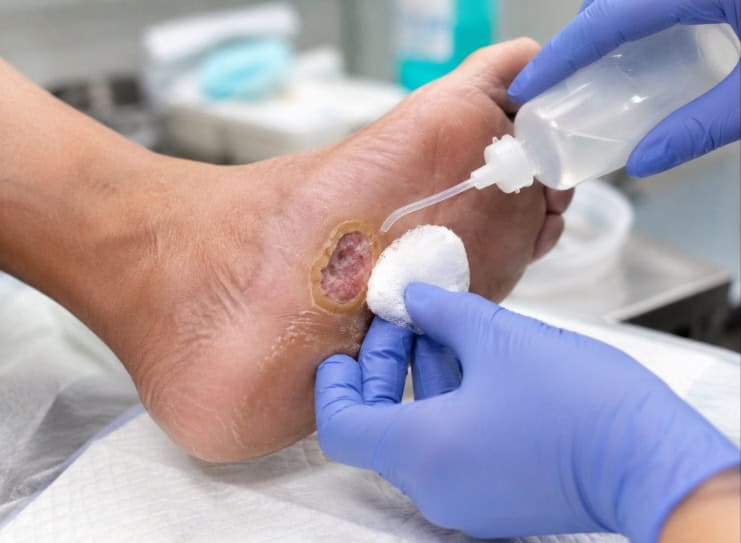
Diabetes can involve many aspects of a someone’s health, and injure care is an area that deserves particular attention. A modest cut, vesicate, or sore on the foot may sometimes take longer to heal in a somebody with . Because of this, sympathy wounds, recognizing early on warning signs, and following appropriate care practices can help tighten the risk of complications.
Managing a diabetic injure is not simply about covering an injury with a bind. Proper wound direction involves monitoring the wound, protecting the close skin, managing effectively, and seeking professional checkup care when necessary. Prevention is evenly key because avoiding injuries in the first place can reduce the likeliness of development noncompliant-to-heal wounds.
What Are Diabetic Wounds?
Diabetic wounds are injuries that occur in populate with diabetes and may have difficulty healthful normally. They ordinarily educate on the feet, particularly in areas exposed to coerce or rubbing. A diabetic foot ulcer is one of the more serious types of wounds associated with .
Several factors can contribute to the development of these wounds. High blood glucose levels over time can affect blood vessels and nerves. Reduced sensory faculty in the feet may make it indocile for a someone to mark a moderate combat injury, while poor can interfere with the body’s formula remedial work on.
A injure that initially appears youngster can therefore want careful reflexion.
Why Can Diabetic Wounds Be Difficult to Heal?
Healing is a complex work involving roue , unaffected function, tissue resort, and tribute from contagion. Diabetes can step in with some of these processes.
Nerve , known as neuropathy, may reduce sensitiveness in the feet. A mortal may not at once feel pain from a vesicate, cut, pressure direct, or other combat injury. Continued pressure or friction can then make the injure worse.
Circulation can also play a role. When rakehell flow is reduced, tissues may receive less O and less nutrients necessary for repair. Elevated rip glucose levels may also regard the body’s power to react in effect to combat injury.
These factors why habitue foot checks and early on attention to wounds are momentous for people sustenance with diabetes.
Recognizing Early Warning Signs
Identifying a wound early can make it easier to seek appropriate care. People with should regularly prove their feet and look for changes such as cuts, blisters, cracks, redness, lump, uncommon warmth, or areas of skin .
Changes in colour or texture may also deserve care. A wound that does not appear to be up should not simply be ignored.
Signs that may indicate infection can include accretionary red, lump, warmth, drainage, acerb odor, or declension pain. Some people with steel may not experience substantial pain even when a wound requires urgent care.
For this conclude, visible inspection is particularly probatory.
Basic Principles of Diabetic Wound Care
The appropriate handling for a injure depends on its size, , location, cause, and overall condition. Professional assessment is especially significant for wounds that are deep, infective, unrelenting, or worsening.
General wound-care principles may include holding the wound clean, protective it from further wound, and following the treatment plan provided by a healthcare professional person.
It is evidential not to experiment with unpleasant chemicals, unapproved remedies, or products that may sound weave. People should also avoid attempting to remove dead weave or treat a deep injure themselves unless specifically instructed by a well-qualified healthcare professional person.
Proper footgear and squeeze simplification can be earthshaking when wounds take plac on the feet. Continuing to put pressure on an lacerated area can interfere with therapeutic.
The Importance of Blood Glucose Management
Managing blood glucose is an profound part of overall diabetes care and can also subscribe the body’s ability to deal with injuries.
People with should watch over the handling plan advisable by their health care provider. This may let in prescribed medications, monitoring roue glucose, maintaining a balanced eating model, and following recommendations for natural science natural action when appropriate.
Good management does not guarantee that a wound will heal chop-chop, but maintaining rakehell glucose within the recommended range is an profound part of managing overall health.
Protecting the Feet
Prevention is one of the most effective approaches to foot care. People with diabetes can educate foot problems without in real time noticing them, particularly when sentiency has been rock-bottom.
Checking the feet every day can help identify problems early on. The soles of the feet can be inspected with a mirror or with help when necessary.
Footwear should fit in good order and should not produce unreasonable squeeze or friction. Walking barefoot can increase the risk of cuts, Robert Burns, and other injuries, particularly when sentience is reduced.
Keeping the skin moisturized can also help keep inordinate dryness and fracture. However, moisturizer should generally not be practical between the toes unless advisable by a healthcare professional, as nimiety wet in that area can put up to certain skin problems.
When Professional Care Is Necessary
Not every wound can be safely managed at home. People with should touch a health care professional person when a injure is not remedial, becomes large, shows signs of contagion, or develops significant swelling or discoloration.
Urgent medical exam valuation may be necessary when there are severe symptoms, quickly spreading red, considerable puffiness, pyrexia, serious drainage, tissue discoloration, or other concerning changes.
A health care professional may tax circulation, sense, infection, hale, and the overall of the injure. Depending on the state of affairs, handling may require injure cleaning, dressings, squeeze ministration, contagion direction, or other specialised care.
Early professional attention can be particularly significant because foot problems may become more complicated when handling is delayed.
Nutrition and Overall Health
The body requires adequate nutrients to subscribe pattern tissue resort. A equal diet that provides enough protein, vitamins, minerals, vulcanized fiber, and other requirement nutrients can contribute to overall health.
People with diabetes should consider their mortal nutritional needs and keep an eye on advice from their healthcare supplier or registered nutritionist. There is no unity food or affix that can warrant faster wound healthful.
Staying adequately hydrous and maintaining good overall health can also be part of a comprehensive set about to wound direction.
Preventing Future Diabetic Wounds
Preventing future wounds requires uniform foot care rather than infrequent tending. Daily inspections, appropriate footgear, appropriate skin care, and habitue management can all put up to reducing risk.
Regular medical checkup checkups are also worthy. Healthcare professionals can identify risk factors such as reduced sentiency, problems, deformities, or premature ulcers and recommend appropriate preventive measures.
People who have previously knowledgeable a foot ulcer may require additional monitoring because they can have an exaggerated risk of developing another injure.
Final Thoughts
Managing wounds requires sentience, bar, careful monitoring, and appropriate medical examination care. Because diabetes can involve sensory faculty, circulation, and the body’s response to combat injury, even a modest injure deserves care.
Regular foot inspections can help identify problems early on, while appropriate footwear and skin care can tighten the risk of diabetic wounds . Maintaining according to a health care professional person’s recommendations is another portentous part of overall injure direction.
Most significantly, a injure that is worsening, infected, deep, or weakness to heal should be evaluated by a eligible health care professional person. With consistent preventive care and timely attention to problems, people livelihood with diabetes can take meaningful steps toward protecting their feet and supporting better overall wellness.