Day: July 7, 2026

How accurate is a urine test?How accurate is a urine test?

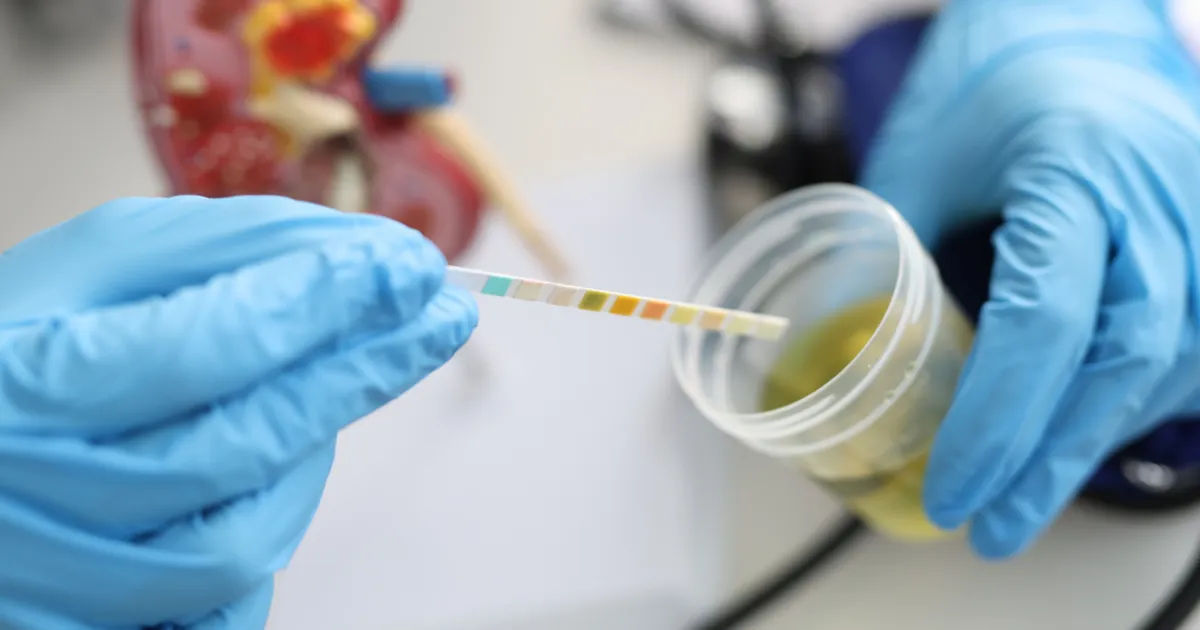
Urine testing is one of the most widely used diagnostic methods in healthcare, workplaces, and legal settings. It is quick, relatively affordable, and non-invasive, which makes it a preferred choice for detecting a wide range of conditions and substances.

But many people still ask an important question: how accurate is a urine test? In discussions about reliability and detection windows, another commonly searched phrase appears—how long does pee last for a drug test—because timing and sample integrity often affect results.

In this guide, we will break down how accurate urine tests really are, what affects their results, where errors can happen, and what you should know about reliability in real-world situations.


What Is a Urine Test and Why It Is Used

A urine test is a laboratory or point-of-care analysis of a urine sample. It is used to check for infections, kidney function, diabetes, pregnancy, dehydration, and the presence of drugs or other substances.

In medical practice, urine tests are considered a first-line diagnostic tool because they provide fast information about the body’s internal balance. However, accuracy depends on many factors, which is why people often wonder about reliability and questions like how long does pee last for a drug test when sample timing becomes important.

Urine tests can generally be divided into:

  • Routine urinalysis (health screening)
  • Urine culture (infection detection)
  • Drug screening tests
  • Pregnancy tests

Each type has different accuracy levels and detection methods.


How Accurate Is a Urine Test Overall?

The accuracy of a urine test depends on what is being tested. In general:

  • Routine urinalysis accuracy: 85%–95%
  • Drug screening accuracy: 90%–99% (with lab confirmation)
  • Pregnancy tests: over 99% when used correctly

Even though these numbers are high, no test is perfect. False positives and false negatives can occur.

The question how long does pee last for a drug test is often linked to accuracy because older or improperly stored urine samples may lead to unreliable results.


Factors That Affect Urine Test Accuracy

1. Timing of the Sample

Timing is one of the most important factors in urine testing accuracy. Fresh samples usually give the most reliable results. If urine is stored too long or not handled correctly, chemical changes can affect the outcome.

This is why medical professionals often emphasize proper sample handling and why people frequently search how long does pee last for a drug test when trying to understand detection windows and sample stability.


2. Storage Conditions

Urine can degrade quickly if not stored properly. Temperature plays a major role:

  • Room temperature: sample may degrade within 1–2 hours
  • Refrigerated: can last up to 24 hours (sometimes longer for specific tests)
  • Frozen: can preserve certain components longer, but not ideal for all tests

Improper storage can change pH levels, bacteria growth, and chemical composition, reducing accuracy.

Again, concerns about how long does pee last for a drug test often come from misunderstanding how quickly urine changes outside the body.


3. Hydration Levels

Hydration can dilute urine. Very diluted urine may affect concentration levels of substances being tested.

  • Overhydration → diluted results
  • Dehydration → concentrated results

This can influence drug detection, infection markers, and hormone levels.


4. Medications and Supplements

Certain medications can interfere with urine test results. For example:

  • Antibiotics may alter bacterial readings
  • Vitamin supplements may change color or chemical markers
  • Some cold medications may trigger false positives in drug screens

Because of these variables, interpreting results requires medical context rather than relying only on raw data.


5. Lab Equipment and Testing Method

Modern laboratories use highly sensitive instruments, such as immunoassay screening and gas chromatography-mass spectrometry (GC-MS). These methods greatly improve accuracy.

However:

  • Rapid test kits are less precise
  • Lab-confirmed tests are more reliable
  • Human error in handling samples can still occur

This is why confirmatory testing is often used after initial screening.


Types of Urine Tests and Their Accuracy

Routine Urinalysis

This test checks physical and chemical properties such as:

  • Color
  • Protein levels
  • Glucose
  • pH
  • White blood cells

Accuracy is high but depends on sample freshness. Questions like how long does pee last for a drug test are relevant here because degraded samples can change chemical readings.


Drug Screening Tests

Urine drug tests are designed to detect substances such as:

  • THC (cannabis)
  • Opioids
  • Amphetamines
  • Benzodiazepines

Accuracy varies depending on the method:

  • Immunoassay screening: fast but may produce false positives
  • GC-MS confirmation: highly accurate

Drug detection also depends on metabolism and timing, which is why many people ask how long does pee last for a drug test when trying to understand detection periods and reliability.


Pregnancy Tests

Urine pregnancy tests detect the hormone hCG (human chorionic gonadotropin).

  • Accuracy: over 99% when used correctly
  • Best results: first morning urine

False results are rare but can occur if taken too early.


Urine Culture Tests

Used to detect bacterial infections.

  • Accuracy: very high when properly collected
  • Requires sterile sample
  • Sensitive to contamination

Improper handling can reduce reliability significantly.


False Positives and False Negatives

False Positives

A false positive means the test shows a condition or substance that is not actually present.

Causes include:

  • Medication interference
  • Cross-reacting substances
  • Lab errors

In drug testing, this can create confusion, especially when discussing how long does pee last for a drug test and how substances break down over time.


False Negatives

A false negative means the test fails to detect something that is actually present.

Causes include:

  • Testing too early
  • Diluted urine
  • Improper storage
  • Low concentration of substance

Timing is critical, which is again why how long does pee last for a drug test is a commonly searched phrase related to detection reliability.


How Sample Handling Impacts Accuracy

Proper handling of urine samples is essential for accurate results.

Best practices include:

  • Using a sterile container
  • Testing within recommended time frame
  • Keeping sample at appropriate temperature
  • Avoiding contamination

If these steps are ignored, chemical changes begin quickly. This is directly related to concerns like how long does pee last for a drug test, since urine stability decreases over time.


Detection Windows and Why They Matter

Detection window refers to how long a substance remains detectable in urine after use.

Examples:

  • Alcohol: 12–48 hours
  • THC: 3 days to several weeks (depending on usage)
  • Opioids: 1–3 days
  • Stimulants: 1–4 days

The phrase how long does pee last for a drug test is often misunderstood as relating to how long substances stay detectable, but it also reflects how long urine remains usable for testing.

Both meanings are important:

  • Biological detection window
  • Sample stability window

Lab Testing vs At-Home Testing

Lab Testing

  • Highly accurate
  • Professional handling
  • Confirmatory testing available

At-Home Testing

  • Convenient
  • Faster results
  • Slightly lower accuracy

At-home kits are more prone to user error, which can affect reliability and interpretation.


How to Improve Urine Test Accuracy

Here are key ways accuracy can be improved:

  • Provide fresh samples
  • Follow collection instructions carefully
  • Avoid contamination
  • Inform doctors about medications
  • Store samples properly if needed

Understanding timing also helps reduce confusion around how long does pee last for a drug test, especially in situations involving testing delays.


Common Misconceptions About Urine Tests

Misconception 1: All urine tests are 100% accurate

Reality: Even the best tests can have errors.

Misconception 2: Drinking water can always “clean” a test

Reality: Overhydration may dilute results but does not guarantee accuracy changes.

Misconception 3: Results are always immediate and final

Reality: Some results require confirmatory lab testing.

Misunderstandings often lead to repeated searches for how long does pee last for a drug test, especially when people try to interpret timing and reliability incorrectly.


Why Accuracy Matters in Real Life

Urine test accuracy is important in many areas:

  • Medical diagnosis
  • Workplace screening
  • Pregnancy confirmation
  • Infection detection
  • Legal investigations

Incorrect results can lead to unnecessary stress, misdiagnosis, or unfair outcomes, so proper testing procedures are essential.


Conclusion

Urine tests are highly useful and generally reliable tools in modern healthcare and screening systems. While no test is perfect, most urine tests offer strong accuracy when properly collected, stored, and analyzed. Factors such as timing, hydration, medications, and handling all play important roles in determining final results.

Understanding concepts like detection windows and sample stability also helps clarify common confusion around how long does pee last for a drug test, since both biological and practical timelines affect testing outcomes.

In summary, urine tests are dependable but not infallible. Their accuracy depends heavily on proper procedure and context, making careful handling and professional interpretation essential for the best results.

What Are Gluten Free Arabic Appetizers?What Are Gluten Free Arabic Appetizers?

arabic appetizers are a beloved part of Middle Eastern cuisine, known for their bold flavors, fresh ingredients, and social dining style. When adapted into gluten-free versions, arabic appetizers become even more inclusive, allowing people with gluten sensitivities or celiac disease to enjoy traditional flavors without worry.

In this guide, we will explore what makes arabic appetizers gluten-free, which ingredients are safe, and how you can prepare them at home in simple and delicious ways.Gluten-free eating does not mean giving up taste or tradition. In fact, many classic arabic appetizers are naturally gluten-free because they rely on vegetables, legumes, olive oil, herbs, and spices rather than wheat-based ingredients.

From creamy dips to fresh salads and crispy fried bites, there are many options that fit both health needs and cultural authenticity.This comprehensive guide will walk you through everything you need to know about gluten-free arabic appetizers, including ingredients, recipes, preparation tips, and serving ideas.


Understanding Gluten Free Arabic Appetizers

Gluten is a protein found in wheat, barley, and rye. Many modern snacks contain gluten, but traditional arabic appetizers often rely on whole, natural foods that do not require wheat-based ingredients.

Gluten-free arabic appetizers focus on using ingredients like chickpeas, eggplants, yogurt, olive oil, fresh herbs, and rice-based elements. These ingredients create rich textures and flavors without needing flour or breadcrumbs.

Many people are surprised to learn that a large portion of traditional arabic appetizers are already gluten-free or can be easily modified. This makes Middle Eastern cuisine especially friendly for gluten-free lifestyles.

Another important point is cross-contamination. Even if arabic appetizers are naturally gluten-free, preparation methods must be careful to avoid contact with wheat-based foods.


Why Gluten Free Arabic Appetizers Are Popular

The popularity of gluten-free arabic appetizers has grown rapidly in recent years due to health awareness and dietary needs. People are now more conscious of digestive health, food allergies, and clean eating.

One reason arabic appetizers work so well in gluten-free diets is their reliance on plant-based ingredients. Chickpeas, lentils, and vegetables form the foundation of many dishes. These foods are naturally nutritious and filling.

Another reason is cultural tradition. Many arabic appetizers were created long before processed wheat products became common, meaning they naturally align with gluten-free eating patterns.

Finally, gluten-free arabic appetizers are popular because they are flavorful, colorful, and easy to share at gatherings. They fit perfectly into family meals, parties, and celebrations.


Common Ingredients in Gluten Free Arabic Appetizers

To understand gluten-free arabic appetizers, it is important to look at their core ingredients.

Chickpeas and Legumes

Chickpeas are one of the most important ingredients in arabic appetizers. They are used in hummus, falafel, and salads. They provide protein and a creamy texture.

Vegetables

Eggplants, tomatoes, cucumbers, and peppers are widely used in arabic appetizers. These vegetables add freshness and natural flavor.

Olive Oil

Olive oil is a healthy fat that enhances almost every dish. It is a key component of many arabic appetizers, especially dips and salads.

Dairy Products

Yogurt and labneh are common in arabic appetizers, adding creaminess and tangy flavor.

Herbs and Spices

Parsley, mint, cumin, garlic, and sumac give arabic appetizers their signature taste.

Rice and Corn-Based Ingredients

When needed, rice flour or corn flour can be used to replace wheat in gluten-free arabic appetizers.


Popular Gluten Free Arabic Appetizers

Many traditional dishes are naturally gluten-free or can be adapted easily.

Hummus

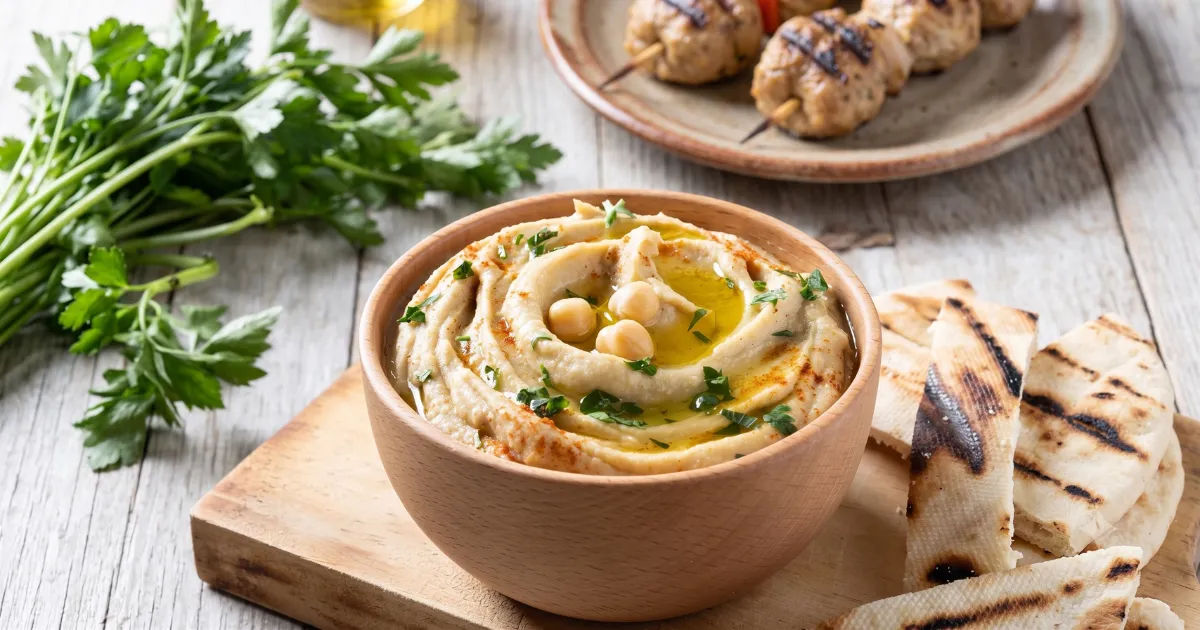
Hummus is one of the most famous arabic appetizers. It is made from blended chickpeas, tahini, lemon juice, and garlic. It is naturally gluten-free and rich in protein.

Baba Ganoush

This smoky eggplant dip is another classic among arabic appetizers. It is creamy, flavorful, and served with olive oil and herbs.

Falafel (Gluten-Free Version)

Traditional falafel is made from chickpeas or fava beans. To ensure it is gluten-free, no wheat flour should be added, making it one of the most satisfying arabic appetizers.

Fattoush (Modified Version)

Fattoush is a salad that usually includes toasted pita. A gluten-free version replaces pita with roasted chickpeas or gluten-free bread alternatives, keeping it one of the refreshing arabic appetizers.

Stuffed Grape Leaves

These are filled with rice, herbs, and spices. They are naturally gluten-free and a staple in many arabic appetizers platters.


Easy Homemade Gluten Free Arabic Appetizers

Preparing arabic appetizers at home is simple and rewarding. Here are some easy ideas you can try.

Chickpea Salad Bowl

Mix boiled chickpeas with cucumber, tomato, lemon juice, and olive oil. This fresh dish is a light version of arabic appetizers that can be prepared in minutes.

Yogurt Garlic Dip

Combine yogurt, garlic, salt, and mint. This creamy dip is a cooling addition to spicy arabic appetizers.

Roasted Eggplant Mash

Roast eggplants until soft, then mash with garlic, lemon, and tahini. This creates a smoky dip commonly found in arabic appetizers menus.

Rice-Stuffed Peppers

Bell peppers stuffed with seasoned rice and herbs make a filling and gluten-free version of arabic appetizers.

Spiced Lentil Patties

Lentils mixed with herbs and spices can be pan-fried without flour, creating hearty arabic appetizers.


Health Benefits of Gluten Free Arabic Appetizers

Gluten-free arabic appetizers offer many health benefits beyond dietary restrictions.

They are rich in fiber, which supports digestion and gut health. Chickpeas and lentils in arabic appetizers provide plant-based protein, making them ideal for vegetarian diets.

Olive oil used in arabic appetizers contains healthy fats that support heart health. Fresh vegetables add vitamins, minerals, and antioxidants.

Another benefit is that gluten-free arabic appetizers are often less processed than packaged foods, making them a cleaner eating option.


Tips for Preparing Gluten Free Arabic Appetizers

When preparing arabic appetizers, small details can make a big difference.

Always check labels on packaged spices and sauces to ensure they are gluten-free. Even traditional ingredients in arabic appetizers can sometimes contain hidden gluten.

Use separate utensils and cookware to avoid cross-contamination when preparing arabic appetizers in a mixed kitchen.

Focus on fresh ingredients. The best arabic appetizers rely on natural flavors rather than processed additives.

Experiment with herbs and spices to enhance taste without adding gluten-based ingredients to arabic appetizers.


Serving Ideas for Arabic Appetizers

Presentation is an important part of enjoying arabic appetizers.

Serve dips like hummus and baba ganoush in shallow bowls with olive oil drizzled on top. Arrange fresh vegetables and gluten-free crackers around them.

Create a colorful platter with multiple arabic appetizers, including salads, dips, and stuffed vegetables.

Use fresh herbs like parsley and mint as garnish to enhance the visual appeal of arabic appetizers.

These dishes are best enjoyed shared, making arabic appetizers perfect for family gatherings and social events.


Conclusion

Gluten-free arabic appetizers offer a delicious and healthy way to enjoy traditional Middle Eastern flavors without gluten. From hummus and baba ganoush to stuffed vegetables and fresh salads, these dishes prove that dietary restrictions do not limit culinary enjoyment.

By focusing on natural ingredients like chickpeas, vegetables, olive oil, and herbs, arabic appetizers remain both nutritious and flavorful. Whether you are preparing a simple snack or hosting a large gathering, gluten-free arabic appetizers provide endless variety and satisfaction.

With careful preparation and creative substitutions, anyone can enjoy the rich world of arabic appetizers while maintaining a gluten-free lifestyle. These dishes are not just food—they are a celebration of culture, health, and shared dining experiences.

How to understand a dilution calculator?How to understand a dilution calculator?

A dilution calculator is one of the most useful tools for anyone who regularly prepares solutions in a laboratory, classroom, healthcare setting, or industrial environment. Instead of performing every calculation manually, a dilution calculator helps determine the correct amount of stock solution and diluent needed to achieve a desired concentration. This saves time, minimizes errors, and improves consistency.

But an important question remains: How accurate is a dilution calculator? The answer depends on several factors. While the mathematical calculations performed by a dilution calculator are highly accurate, the final accuracy of a diluted solution also depends on the quality of the information entered, the measuring equipment used, and the technique followed during preparation.

This guide explains how a dilution calculator works, how accurate it is, what factors influence its performance, and how users can maximize the reliability of every dilution they prepare. Whether you are a student, scientist, healthcare professional, or researcher, understanding these principles will help you achieve more dependable results.

What a Dilution Calculator Does

A dilution calculator is designed to simplify concentration calculations. Instead of manually rearranging formulas and checking your arithmetic, the calculator performs the mathematical steps instantly after you enter the required values.

Typically, users provide information such as:

  • Initial concentration

  • Desired concentration

  • Final volume

  • Sometimes the stock volume

The calculator then determines the missing value using the standard dilution equation.

Because the calculations are computerized, they eliminate many common mistakes that occur during manual calculations. This is one of the biggest reasons professionals rely on a dilution calculator every day.

However, while the calculations themselves are highly reliable, preparing the actual solution still requires careful laboratory practice.

The Mathematics Behind Accuracy

The accuracy of a dilution calculator comes from mathematics rather than estimation.

Most calculators use the well-known dilution formula:

C₁ × V₁ = C₂ × V₂

Where:

  • C₁ is the initial concentration.

  • V₁ is the volume of stock solution required.

  • C₂ is the desired concentration.

  • V₂ is the final solution volume.

This equation has been used for decades in chemistry, biology, medicine, environmental science, and many other scientific disciplines.

Because computers perform calculations with exceptional precision, rounding errors are usually extremely small. In most cases, the mathematical result generated by a dilution calculator is considerably more accurate than calculations completed by hand.

Why Digital Calculations Reduce Human Error

Humans naturally make mistakes during calculations.

Common errors include:

  • Typing incorrect numbers

  • Misplacing decimal points

  • Using the wrong units

  • Rearranging equations incorrectly

  • Rounding too early

  • Forgetting conversion factors

A dilution calculator dramatically reduces these risks by automatically applying the correct formula once accurate values are entered.

For laboratories that prepare dozens or even hundreds of solutions daily, reducing these calculation mistakes can save significant time while improving consistency across experiments.

Accuracy Depends on Input Quality

Even the best dilution calculator cannot produce accurate results if incorrect information is entered.

This concept is often summarized by the phrase "garbage in, garbage out."

For example, imagine entering:

  • Stock concentration: 100 mg/mL

  • Desired concentration: 10 mg/mL

  • Final volume: 500 mL

If the stock concentration is actually 90 mg/mL but is entered as 100 mg/mL, every calculation afterward will be incorrect.

The calculator did not fail.

Instead, inaccurate input produced an inaccurate answer.

This is why experienced laboratory professionals always verify every value before running calculations.

Measurement Equipment Also Affects Accuracy

After using a dilution calculator, the next step is measuring liquids.

The calculator may provide an exact answer, but the physical measurement process introduces another source of potential error.

Laboratories commonly use:

  • Volumetric flasks

  • Pipettes

  • Micropipettes

  • Graduated cylinders

  • Syringes

  • Measuring flasks

Each instrument has a specific level of precision.

For example, a high-quality calibrated micropipette generally provides much greater accuracy than a standard graduated cylinder when measuring very small liquid volumes.

Therefore, even if the dilution calculator provides a mathematically perfect answer, poor measuring equipment can reduce the overall accuracy of the prepared solution.

Calibration Plays an Important Role

Professional laboratories routinely calibrate their equipment.

Calibration ensures that measuring instruments continue delivering accurate volumes over time.

Without calibration:

  • Pipettes may dispense incorrect volumes.

  • Syringes may drift from their stated accuracy.

  • Automated dispensers may gradually lose precision.

  • Measuring devices may wear with repeated use.

If equipment is not calibrated, the final solution may differ from the calculated concentration despite using a reliable dilution calculator.

Regular maintenance is therefore an essential part of accurate solution preparation.

The Importance of Correct Units

Unit conversion is another factor that influences accuracy.

Many solutions are expressed using different concentration units, including:

  • mg/mL

  • g/L

  • µg/mL

  • %

  • Molarity (M)

  • Millimolar (mM)

Entering values with inconsistent units can create major errors.

For example, confusing milligrams with grams introduces a thousand-fold difference.

Similarly, mixing milliliters with liters without proper conversion leads to incorrect dilution volumes.

Many modern versions of a dilution calculator include automatic unit conversion features, but users should still confirm that every value uses compatible units before accepting the result.

Can a Dilution Calculator Be Trusted?

In most situations, yes.

A properly designed dilution calculator performs mathematical operations with remarkable precision.

Its calculations are usually much more reliable than manual arithmetic performed under time pressure.

However, trust should never replace verification.

Experienced professionals often double-check:

  • Stock concentration

  • Desired concentration

  • Final volume

  • Units

  • Decimal placement

This quick review usually takes less than a minute but can prevent expensive laboratory mistakes.

Sources of Error Outside the Calculator

People sometimes assume the calculator is responsible whenever a prepared solution has the wrong concentration.

In reality, many errors occur after the calculation is completed.

Common examples include:

  • Using contaminated glassware

  • Reading measurements incorrectly

  • Incomplete mixing

  • Evaporation during preparation

  • Using expired chemicals

  • Incorrect labeling

  • Pipetting mistakes

These problems are unrelated to the dilution calculator itself.

Instead, they result from laboratory technique or environmental conditions.

Understanding this distinction helps users identify the true cause of inaccurate solutions.

Laboratory Technique Matters

Preparing accurate dilutions requires more than entering numbers into software.

Good laboratory technique includes:

  • Using clean equipment

  • Measuring carefully

  • Mixing thoroughly

  • Following written procedures

  • Labeling containers correctly

  • Recording calculations

  • Avoiding contamination

Each step contributes to the overall accuracy of the final solution.

Even the most advanced dilution calculator cannot compensate for poor laboratory practices.

Accuracy in Educational Laboratories

Students frequently use a dilution calculator during chemistry and biology classes.

For educational purposes, these tools are extremely valuable because they help students focus on scientific concepts rather than spending excessive time performing repetitive arithmetic.

They also reduce anxiety for beginners who may struggle with concentration calculations.

However, instructors still encourage students to understand the underlying equation rather than relying entirely on automation.

Knowing how the calculation works makes it easier to recognize unrealistic results and identify mistakes before preparing a solution.

Conclusion

Research laboratories often require extremely precise concentrations.

Small differences may influence:

  • Chemical reactions

  • Biological assays

  • Cell culture experiments

  • DNA analysis

  • Protein purification

  • Pharmaceutical testing

Because of these demanding requirements, researchers often combine a dilution calculator with calibrated instruments, standardized operating procedures, and quality-control checks.

This combination provides a high level of confidence that prepared solutions meet experimental requirements.

Curious Football Games A Tactical Post-mortemCurious Football Games A Tactical Post-mortem

The SportsNews earthly concern obsesses over foreseeable narratives of triumph and defeat, yet the most deep insights are inhumed within the”curious” game the statistically deviate, tactically gonzo match that defies traditional logic. These are not mere flukes but rich data ecosystems, revelation the weak contingencies upon which results flexible joint. To try them is to move beyond post-match clich and into a rhetorical analysis of moral force system loser and timeserving version, where expected goals models shatter and scientific discipline hale warps plan of action blueprints beyond realisation.

Redefining the”Curious” Match

Mainstream depth psychology often dismisses interested games as anomalies, products of luck or someone wrongdoing. This perspective is intellectually smash. A truly interested play off is a systemic outlier, where eightfold key performance indicators(KPIs) enter extreme dissonance. Imagine a team achieving 70 self-command, complemental 92 of passes, and pickings 25 shots, yet losing 0-1 to a side with a ace touch down in the resistance box. The 2024 mollify has already produced a 15 increase in such high-xG disparity matches(defined as a difference of 2.5 or greater), according to OptaPro’s up-to-the-minute meta-analysis. This statistic signals a military science evolution: low-block defenses are no yearner merely spirited; they are engineered for deadly, 1-transition , translation orthodox prosody hazardously superannuated.

The High-Possession Collapse

The substitution class of self-control as control is being destroyed. Data from the top five European leagues in 2024 shows that teams with 65 possession now lose at a rate of 22, a image that has risen steady from 14 over the past five seasons. This is not a but a moment of plan of action search. Opponents now deliberately cede soil, using intellectual activate presses not to win the ball immediately, but to force possession into specific, pre-trapped zones on the pitch. The high-possession team is not dominant the game; it is acting a pre-scripted, and finally weak, pattern of play under the illusion of self-reliance.

  • Predictable Build-Up: Coaches now map opponent establish-up patterns with such preciseness that the first five passes of a sequence can be foreseen with over 80 truth, allowing for destructive counter-press traps.
  • Psychological Fatigue: The mental load of constant, sleeveless self-command erodes -making speed, leading to critical late-game errors in traditionally”safe” areas.
  • Transition Vulnerability: Every player is positioned for offensive form maintenance, going astounding distances between lines that a unity bypassed weightlift exploits altogether.
  • The Set-Piece Equalizer: Dominant teams often yield fewer set-pieces, reduction their defensive attitude dry run of these scenarios, qualification them disproportionately weak when one occurs.

Case Study: The 0.07 xG Victory

Initial Problem: FC Basel 1893, facing Bayern Munich in a 2023 Champions League group represent oppose, was planned to have a sub-5 of victory. Their orthodox mid-block was habitually dissected by Bayern s vertical passage in previous encounters, concession an average out of 4.2 xG per game. A novel, irregular defensive attitude scheme was required not to compete, but to surgically manipulate the opposite’s offensive vectors into a I, pre-planned corridor of pseudo-opportunity.

Specific Intervention: Basel enforced a”magnetized low-block,” a construct developed from video recording analysis of Bayern s ball-playing center on-back, specifically his proclivity for diagonal switches to the left winger. Basel s shape was deliberately inclined to show a weak right flank, tempting this demand swop. Their left-winger was positioned not as a wide defender but as a lurking send on, with the stallion defensive unit trained to spark off an immediate, multi-player weightlift on the winger’s first touch, while simultaneously block all short-circuit telephone exchange passage lanes.

Exact Methodology: The writ of execution was a masterclass in deceit and set off-based front. For 80 transactions, Basel unreflected squeeze, their xG against tallying a mere 0.03. The critical minute came in the 81st second when the foretold trade occurred. Three Basel players converged on the sporadic winger within two seconds, forcing a panicky, dim clearance. The lurking left-winger, already in gesticulate, intercepted the ball in stride, 40 yards uncontested to seduce. The entire winning succession, from the unexpected turnover to the ball hitting the net, lasted

Toto Togel and Probability What Every Player Should UnderstandToto Togel and Probability What Every Player Should Understand

Understanding Toto Togel Probability Basics

Toto togel isn’t just luck—it’s math. Probability tells you how often a number or combination *should* hit over time. The house always has an edge, but smart toto togel use probability to shrink it.

Every 4D game has 10,000 possible outcomes (0000 to 9999). Your chance of hitting the jackpot is 1 in 10,000 per bet. That’s 0.01%—brutal, but knowing it keeps expectations real. Don’t chase losses; probability doesn’t care about your last bet.

How the House Edge Works in Toto Togel

Bookies pay out less than true odds. For 4D, the standard payout is 3,000x your bet for a 10,000x chance. That’s a 70% house edge—worse than roulette.

Some variants offer better odds. 3D cuts possibilities to 1,000 (000-999), with payouts around 400x. Still a 60% edge, but better than 4D. Always check payout tables before playing.

3 Probability Tactics to Improve Your Play

**Tactic 1: Bet on Less Popular Numbers**
Most players pick birthdays (1-31) or lucky numbers (7, 8). This clusters bets on low numbers, diluting payouts when they hit. Target numbers 32-99 to avoid the crowd.

**Tactic 2: Use the “Law of Large Numbers”**
Probability only works over many bets. If you play 10,000 times, you *should* hit once—but most players quit after 100. Stick to a fixed budget (e.g., 100 bets) and accept variance.

**Tactic 3: Avoid “Hot/Cold” Number Fallacies**
Past draws don’t influence future ones. Every draw is independent. Tracking “hot” numbers wastes time; focus on reducing the house edge instead.

Common Probability Mistakes to Avoid

**Mistake 1: Overvaluing “Systems”**
No system beats the house edge. Wheeling, pyramids, or “guaranteed” formulas are scams. Probability is fixed—don’t pay for snake oil.

**Mistake 2: Chasing “Due” Numbers**
Numbers aren’t “due” to hit. Each draw resets the odds. Betting on 1234 because it hasn’t appeared in 50 draws is like flipping a coin and expecting tails after 10 heads.

**Mistake 3: Ignoring Bankroll Math**
If you bet 10,000 IDR per draw, you’ll lose 7,000 IDR on average per bet. Play 100 times, and you’re down 700,000 IDR. Set a loss limit and stick to it.

How to Apply Probability in Real Bets

Start with 3D games—they’re cheaper and have better odds. Allocate 80% of your budget to 3D and 20% to 4D for balance.

Use a random number generator for picks. Humans are terrible at randomness; apps don’t have biases. Avoid patterns like 1111 or 1234—they’re overbet.

Track your results. After 100 bets, compare your win rate to expected probability. If you’re losing more than 60% on 3D, adjust your strategy.

7-Day Action Plan to Start Today

**Day 1: Learn the Odds**
Write down the probability for 2D, 3D, and 4D. Memorize the house edge for each. This is your foundation.

**Day 2: Pick a Variant**
Choose 3D or 4D based on your budget. 3D is better for beginners—lower risk, faster feedback.

**Day 3: Set a Budget**
Decide your total bankroll (e.g., 1,000,000 IDR) and daily limit (e.g., 100,000 IDR). Never exceed it.

**Day 4: Generate Random Numbers**
Use an app or website to pick 10 numbers. No birthdays, no “lucky” picks—just pure randomness.

**Day 5: Place Your